

A portrait photographer's tool
85mm is the focal length traditionally considered very well suited to portrait photography. At this focal length a picture can be taken without distorting the proportions of the face. For full-length shots you have to step back a little, but you can still hold a pleasant conversation with the subject. A distracting background is also nicely softened. Since Fuji's crop factor is 1,5, this means that 56 mm is precisely the portrait photographer's focal length.
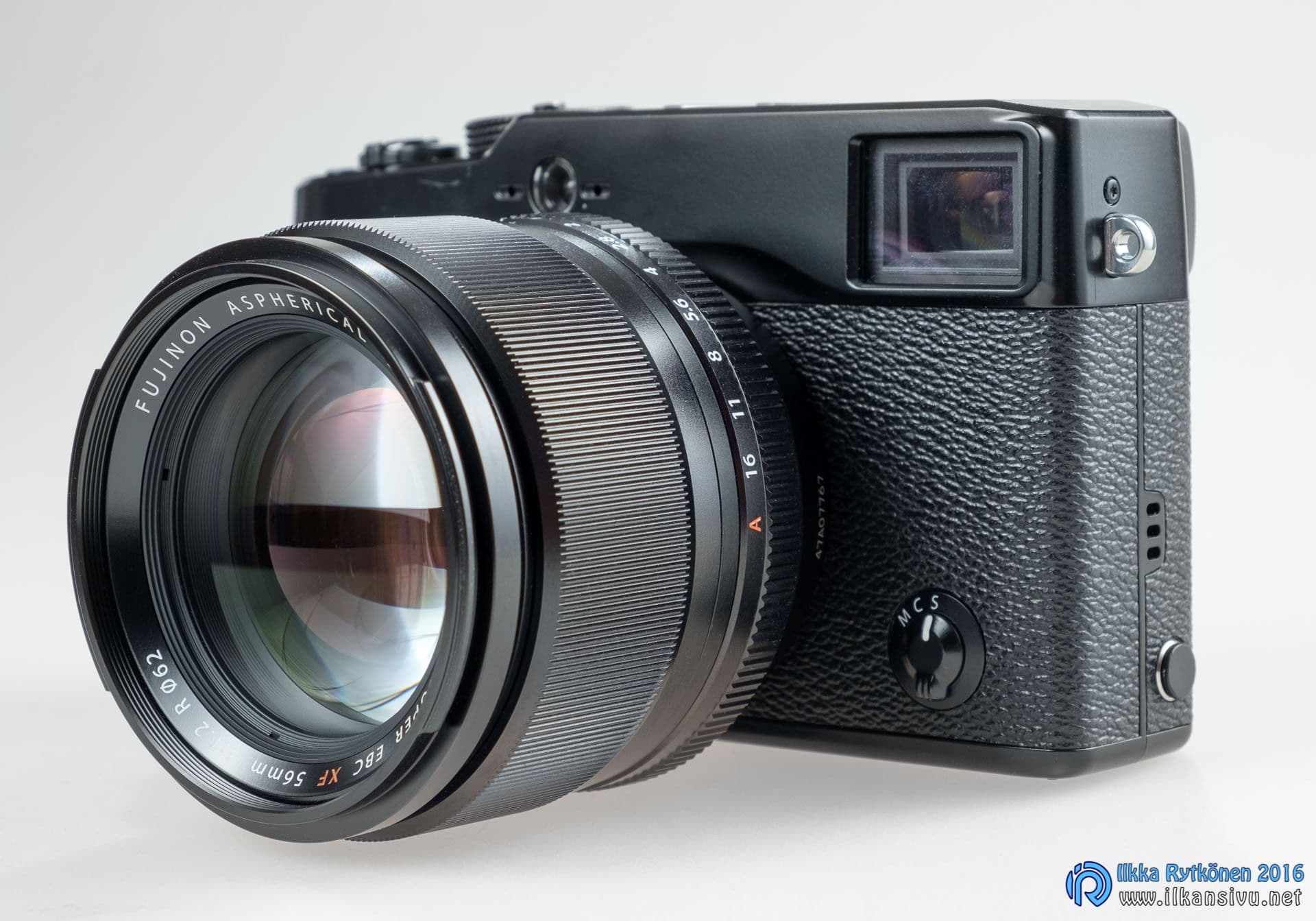
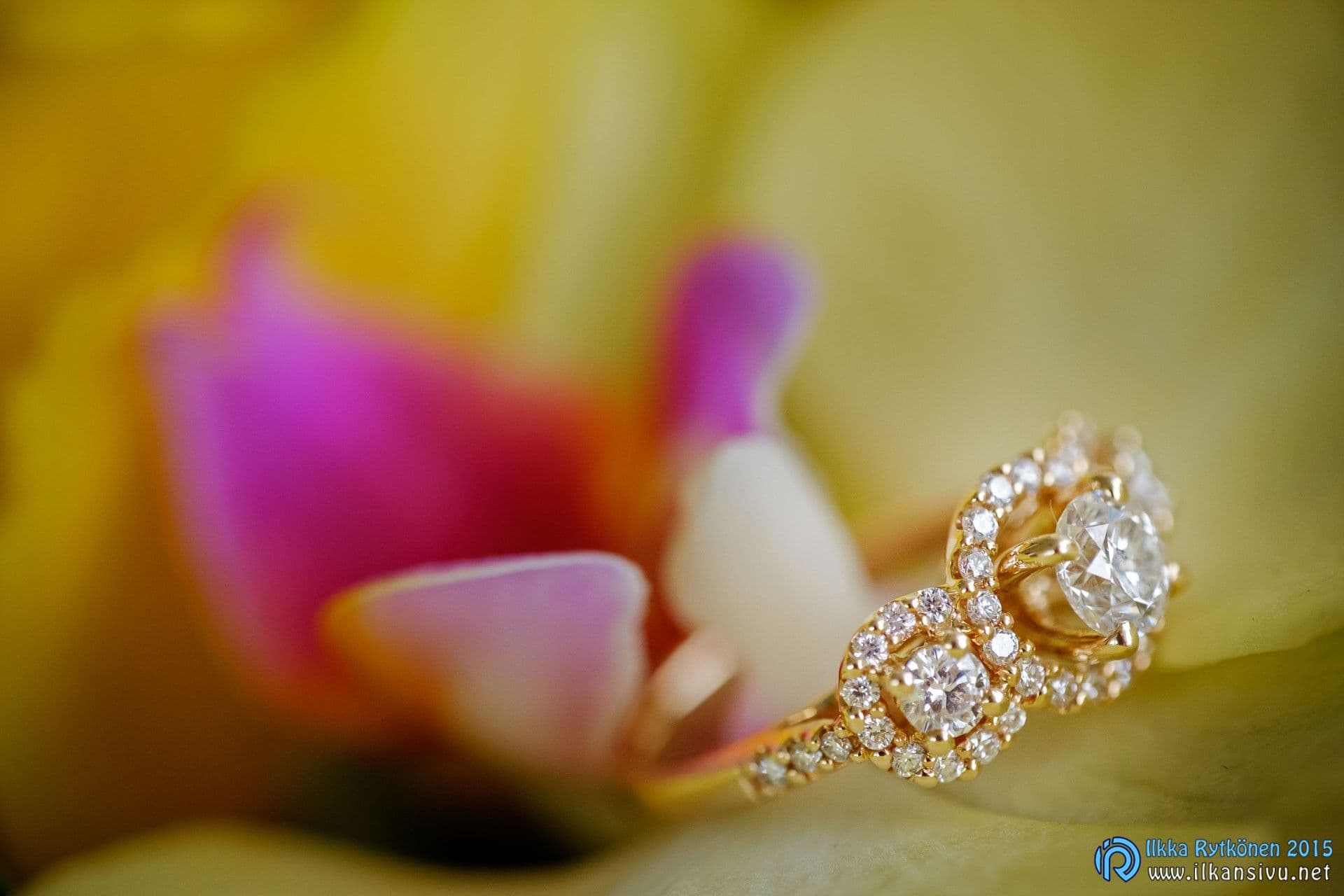
This is also a suitable focal length when you want to photograph details. The fairly narrow angle of view leaves unwanted elements outside the frame. Portrait lenses do not normally focus very close, so without accessories this will not quite do for photographing very small subjects.
Fuji's portrait lens is also exceptionally fast
Fuji's portrait lens is also exceptionally fast for an autofocus lens, with a maximum aperture of f/1,2. Canon seems to be, alongside Fuji, the only manufacturer currently producing such products. There is then a whole host of manual-focus lenses that are even faster than this.
Design and feel
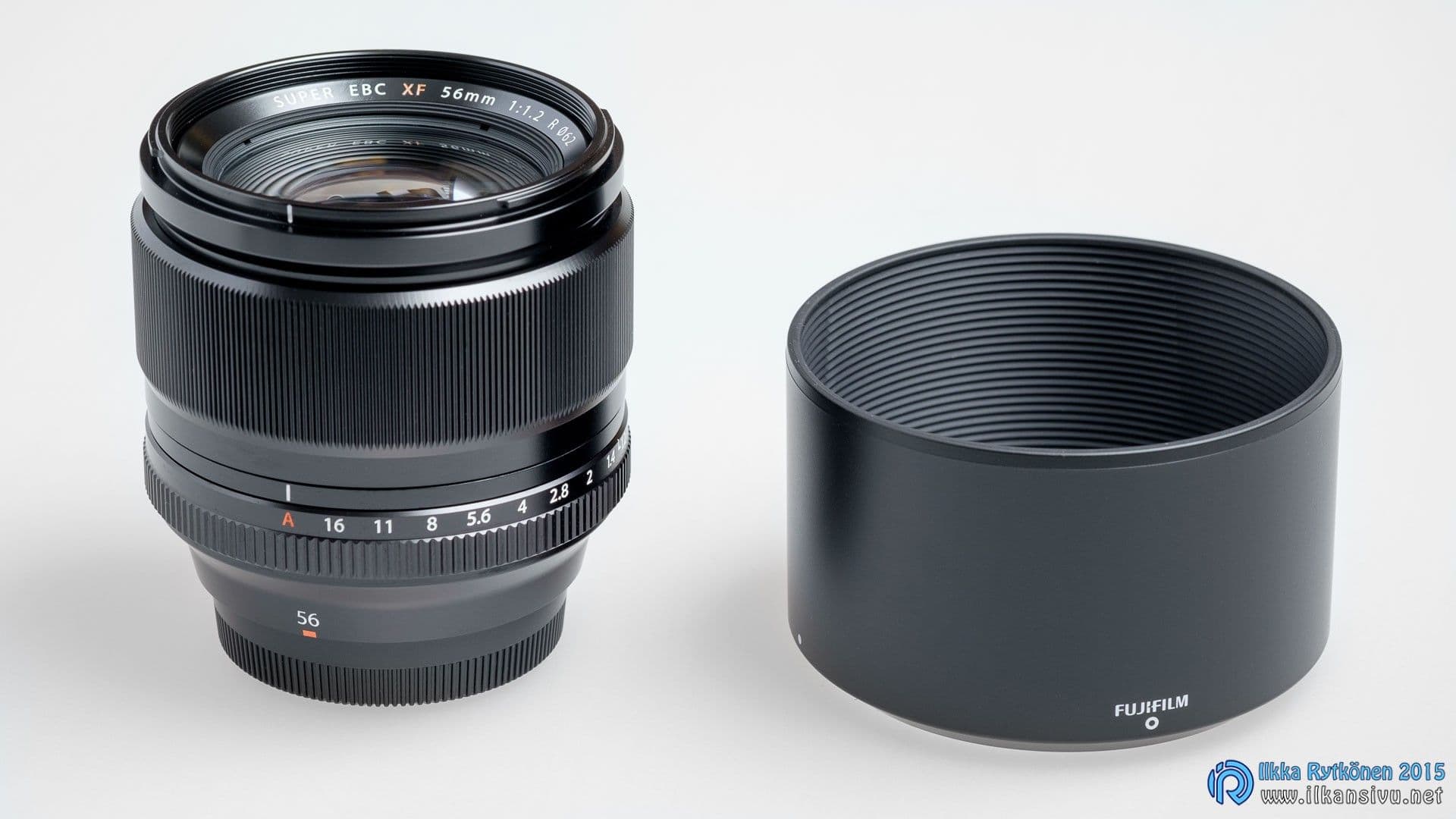
The XF56mm feels sturdy and is finished to a high quality. The lens hood also snaps nicely into place, which is not common with many Fuji lenses. The aperture ring could be a little stiffer. As it is, there is a risk that the chosen value accidentally turns to the wrong setting. The weight has come to a good 400 grams, which feels appropriate for a product like this.
The lens hood snaps nicely into place, which is not common with many Fuji lenses.
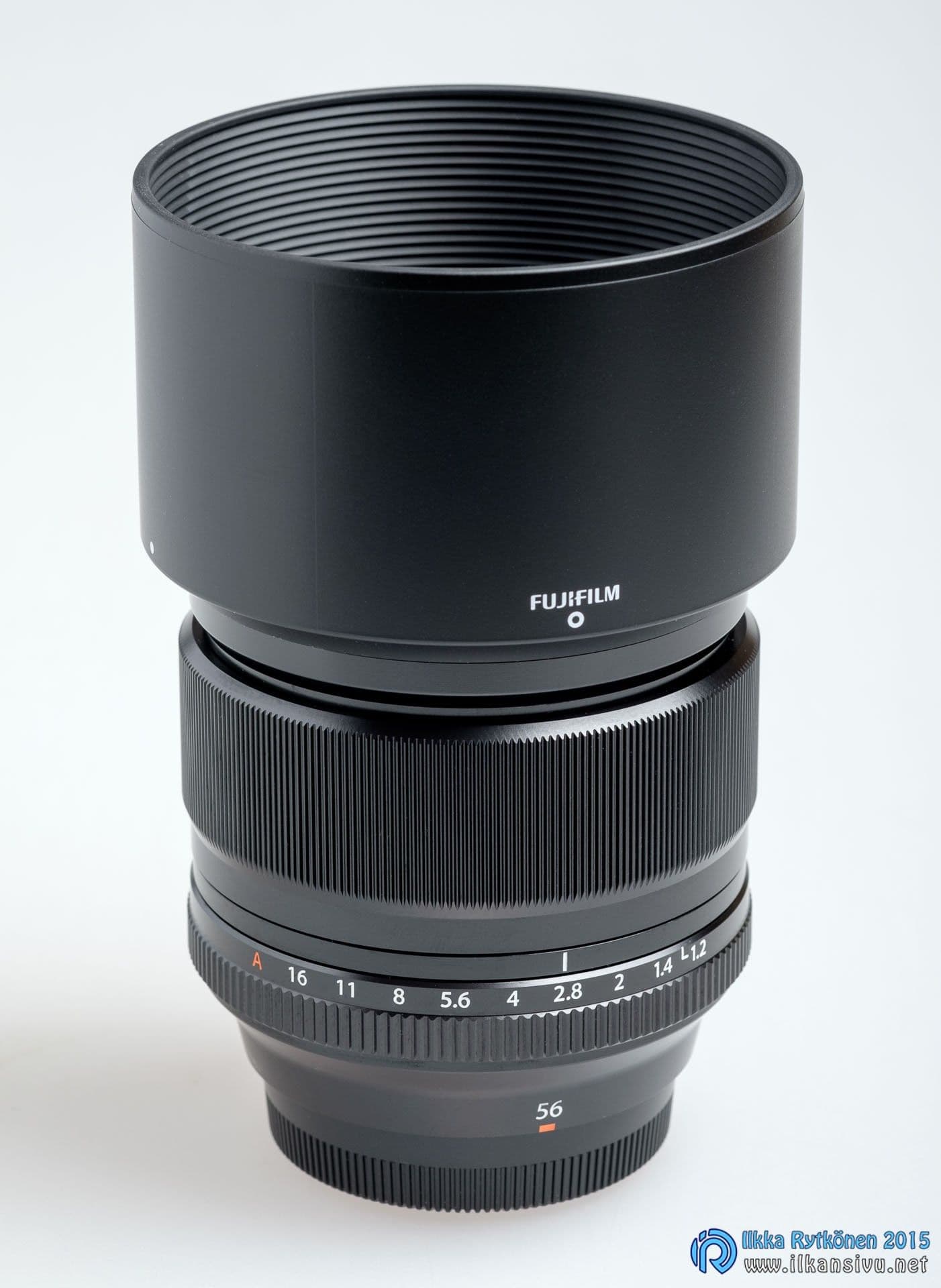
Apart from the aperture and focus rings, the lens has no other controls. In certain situations it would be an advantage if you could switch on manual focus by pulling a button or the focus ring, with a focus scale to help. On the other hand, in my opinion manual focusing is not very pleasant with this kind of electronic focus-by-wire, and the autofocus does its job well.
Shooting
The experiences are based on using the product on X-T1, X-T10 and X-E2 bodies.
The lens works as one would expect. Focusing is pleasantly quick and fairly reliable. In dim light it may sometimes hunt, but for the most part you can shoot without worry even in little light.
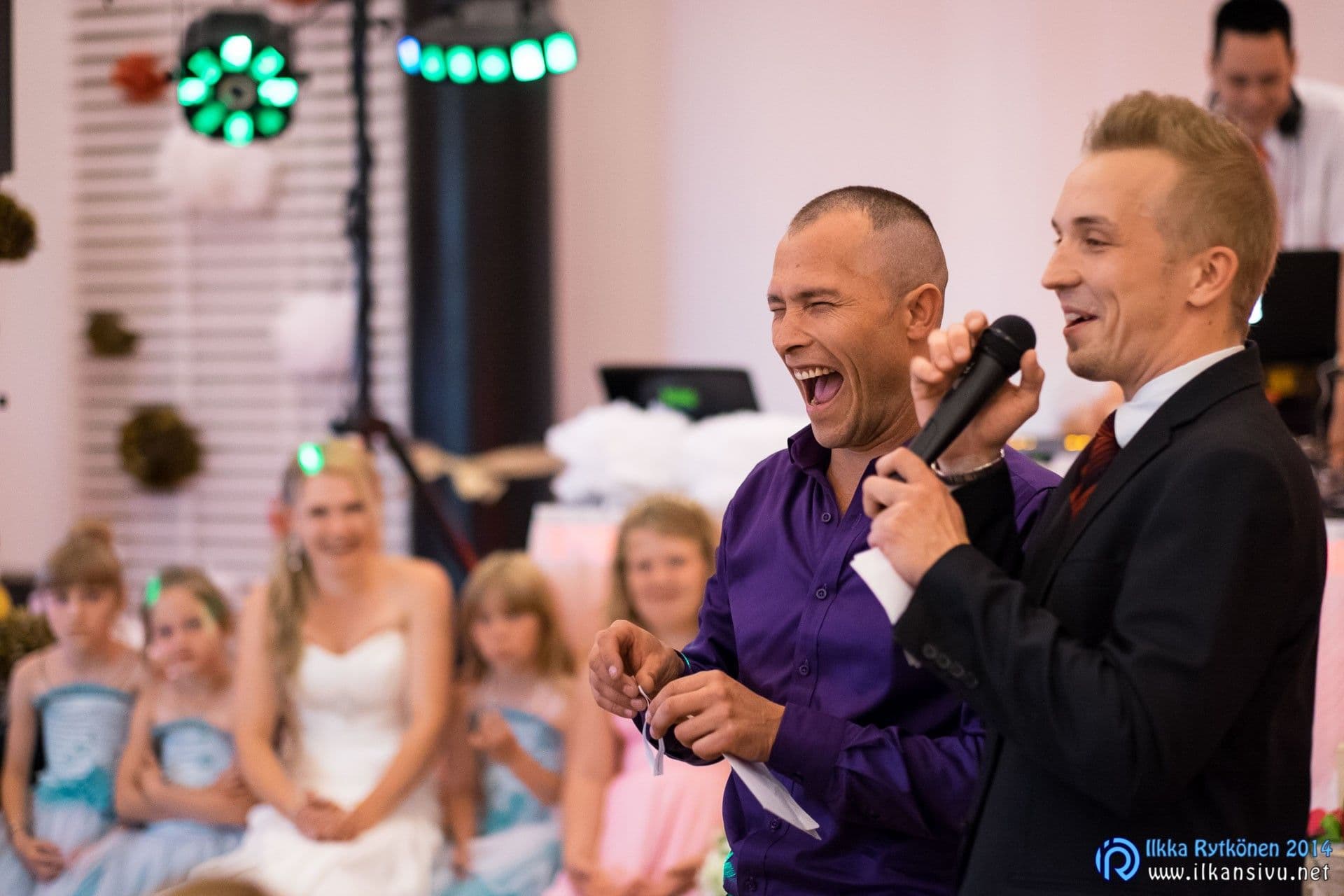
The wide aperture is a great advantage when shooting in low light, such as in churches or atmospherically lit party venues. There are plenty of situations where the f/2,8 typical of a good zoom is no longer enough for handheld shooting. A stabiliser does of course help in these situations, but it does not stop the subject's movement. If the sensitivity is already at its maximum, then the wide aperture is the only way to get the motion to freeze.
The wide aperture is a great advantage when shooting in low light, such as in churches or atmospherically lit party venues
F/1,2 gives a lot of freedom, because a flash is hardly needed as auxiliary light in any conditions. Of course, a flash can still be used as an addition to change the character, colour or direction of the light even in these situations.
The closest focusing distance is 70 cm, which is typically long for a portrait lens. In some interview Fuji said that the minimum focusing distance could have been reduced, but at the expense of image quality. Considering the lens's intended use, a longish shortest focusing distance does not often matter, however. And if needed, the focusing distance can be brought closer by getting an extension tube or a close-up lens.
Because Fuji's sensor is smaller than full frame, a slightly larger aperture has to be used to achieve a similar degree of background blur. This in turn leads to problems with the 1/180 s flash sync speed and the lowest sensitivity (ISO 200) for an environmental portrait photographer working with flashes. The background starts to blow out, but fortunately there is a remedy for this, namely a neutral density filter.
So it is good to have an ND8 or ND16 neutral density filter in the bag, with which a sufficiently shallow depth of field can then be achieved in flash pictures too. But I have had to use neutral density filters from time to time even with full-frame cameras, so in itself it is nothing new.
It is good to have an ND8 or ND16 neutral density filter in the bag, with which a sufficiently shallow depth of field can then be achieved in flash pictures too.
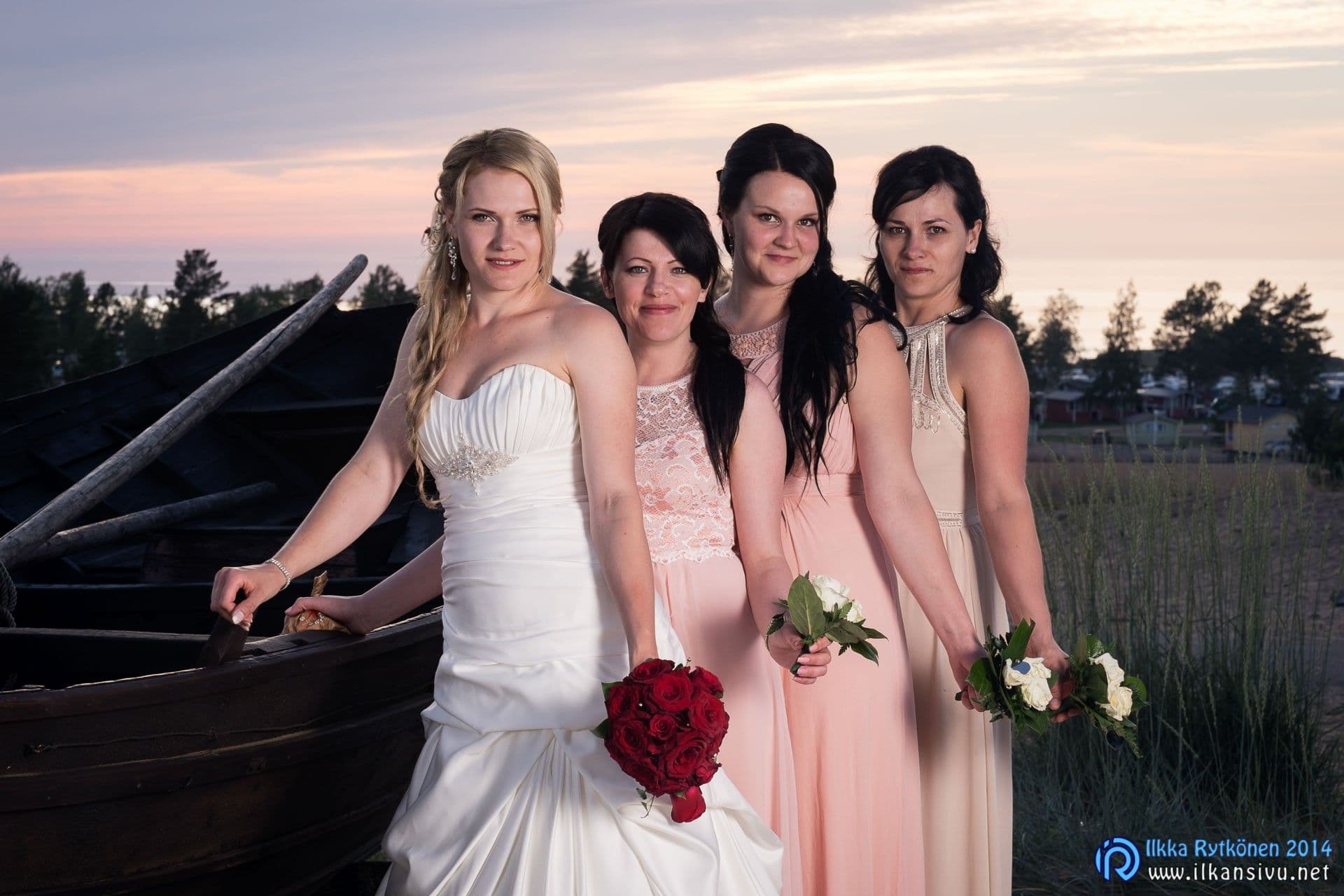
Image quality
The f/1,2 aperture is very usable from the central area, but the edges tend to be soft. F/1,8 clearly improves the situation in terms of edge sharpness and contrast, and at f/2.8 you already reach very good image quality. Around f/10 diffraction starts to soften the image. In backlight, chromatic aberration appears in high-contrast areas, but usually this is not badly disturbing. The artefacts can be kept in check in post-processing. The aberration is clearly smaller already when stopped down to f/1,8 and seems to disappear at approx. f/2,2. Vignetting is very slight, and seeing any in my own test pictures is difficult.
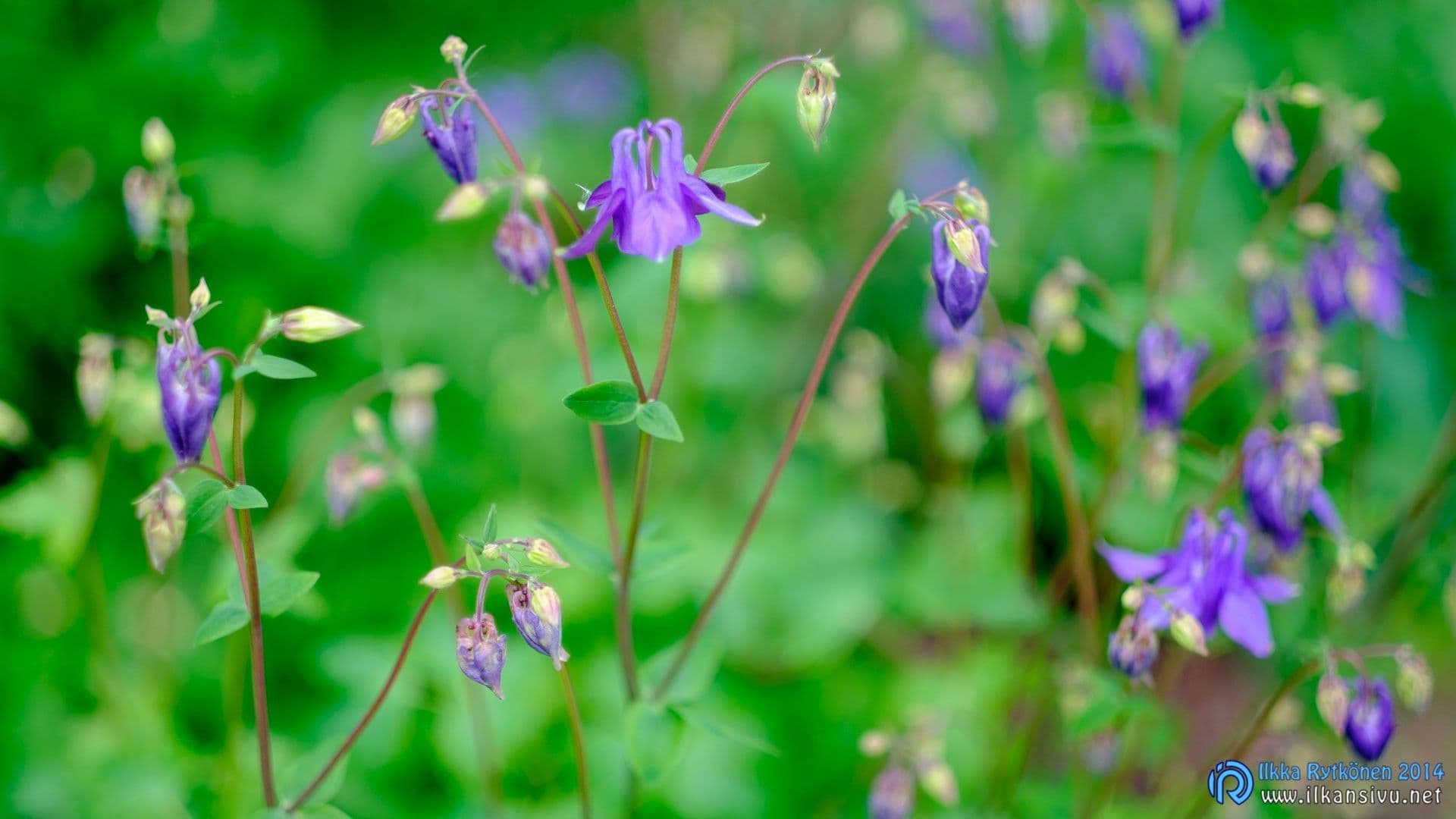
The bokeh, that is, the out-of-focus areas, looks good and calm. This is admittedly also a matter of taste, but for me it is more than acceptable. When stopped down a little, however, the light sources start to take on the shape of the diaphragm, that is, a little angular.
If the bokeh is compared with that produced by a full-frame 85 mm lens, the difference is not large, but it is noticeable. Here are four pictures for comparison, from which you can draw your own conclusions. The fourth picture was taken with an Olympus 45mm lens, whose crop factor is 2. Perhaps the differences are larger in some situations, but this test is at least indicative. This topic could well be made into an article of its own at a suitable time.




If the bokeh is compared with that produced by a full-frame 85 mm lens, the difference is not large, but it is noticeable.
Traditionally we have been used to the idea that you can still get sharp results handheld by turning the focal length into a fraction of a second of exposure. That is, with e.g. a 200mm lens you should use a shutter speed of 1/200 s or shorter to get a sharp picture. When shooting with mirrorless, I have noticed that this rule needs to be tightened a little.
Mirrorless cameras are light enough that the inertia of the mass no longer works as a stabilising factor so well. That is why, in fast-paced wedding photography, I prefer to use a shutter speed of 1/125 s or faster with this lens to get a sufficient success rate. Of course, sharp results can be had with longer exposures too, when you are careful with your shooting posture and technique.
Mirrorless cameras are light enough that the inertia of the mass no longer works as a stabilising factor so well.
This brings us to the question of whether a stabiliser could have been put in this lens. Perhaps it could, but would the size and weight have grown too much? And Fuji has no in-body stabilisation, not yet anyway. I hope that future bodies will have it. That way, these beautifully rendering lenses would deliver better quality to the final image in challenging conditions too.
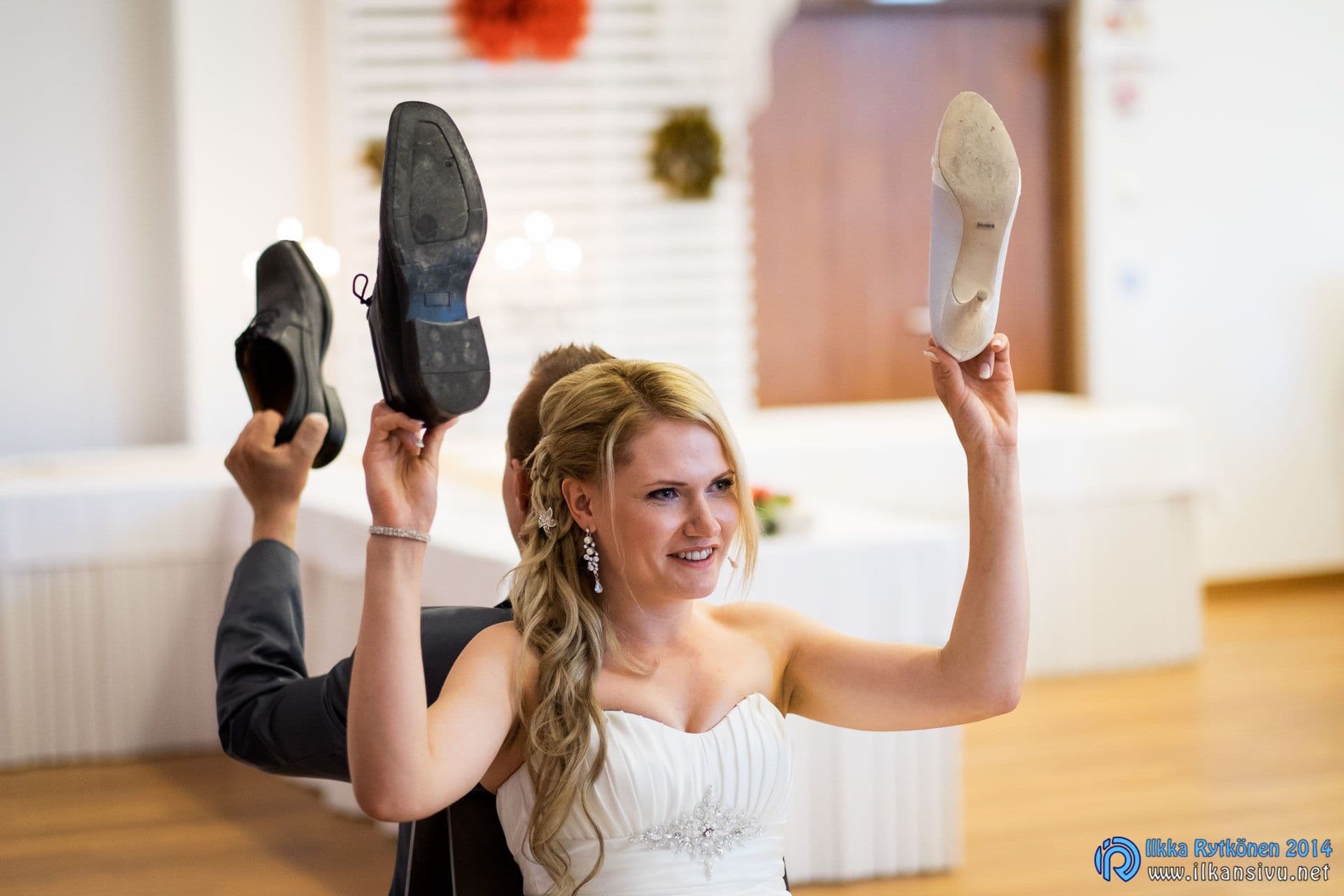
Image quality is nevertheless good in real-life pictures, and there are no serious complaints to be made. The edge softness that appears at the widest apertures is a secondary matter, and I did not even pay attention to such a thing until I photographed a test chart.
Image quality is nevertheless good in real-life pictures, and there are no serious complaints to be made.
APD?
There is also a version of this lens called FUJINON XF56 mm F1,2 R APD, which contains an apodisation filter to improve the bokeh. In practice the effect is not large, but at wide apertures especially, light sources are rendered more cleanly in the out-of-focus area. The price of the standard version is approx. 1100 euros, and the APD costs a couple of hundred more.
I have not had the chance to try the APD version, so my assessments of it are based only on what I have read. The effective maximum aperture of the APD lens is worse than that of the standard model, and phase-detection focusing is not available either.
Final conclusions
The Fujinon XF56 mm F1,2 R is a fine lens that belongs in the basic kit of everyone who shoots portraits with Fuji. The very wide maximum aperture helps freeze motion and separate the subject from the background. Focusing is fast enough and image quality is of a high standard. The slight softness at the edges at the widest aperture is not a serious flaw.

Weather sealing and image stabilisation would of course be nice additions, but it gets by as it is. Thanks to its relatively small size and light weight, it is pleasant to take along. For a rainy portrait job, Fuji then offers the XF50-140mm telezoom or the XF90mm portrait lens.
Gallery
I would have liked to add more wedding portraits taken with this XF56mm lens here, but I have promised the customers not to publish those pictures. So it may be that at some point I will add a picture or two from other assignments.