

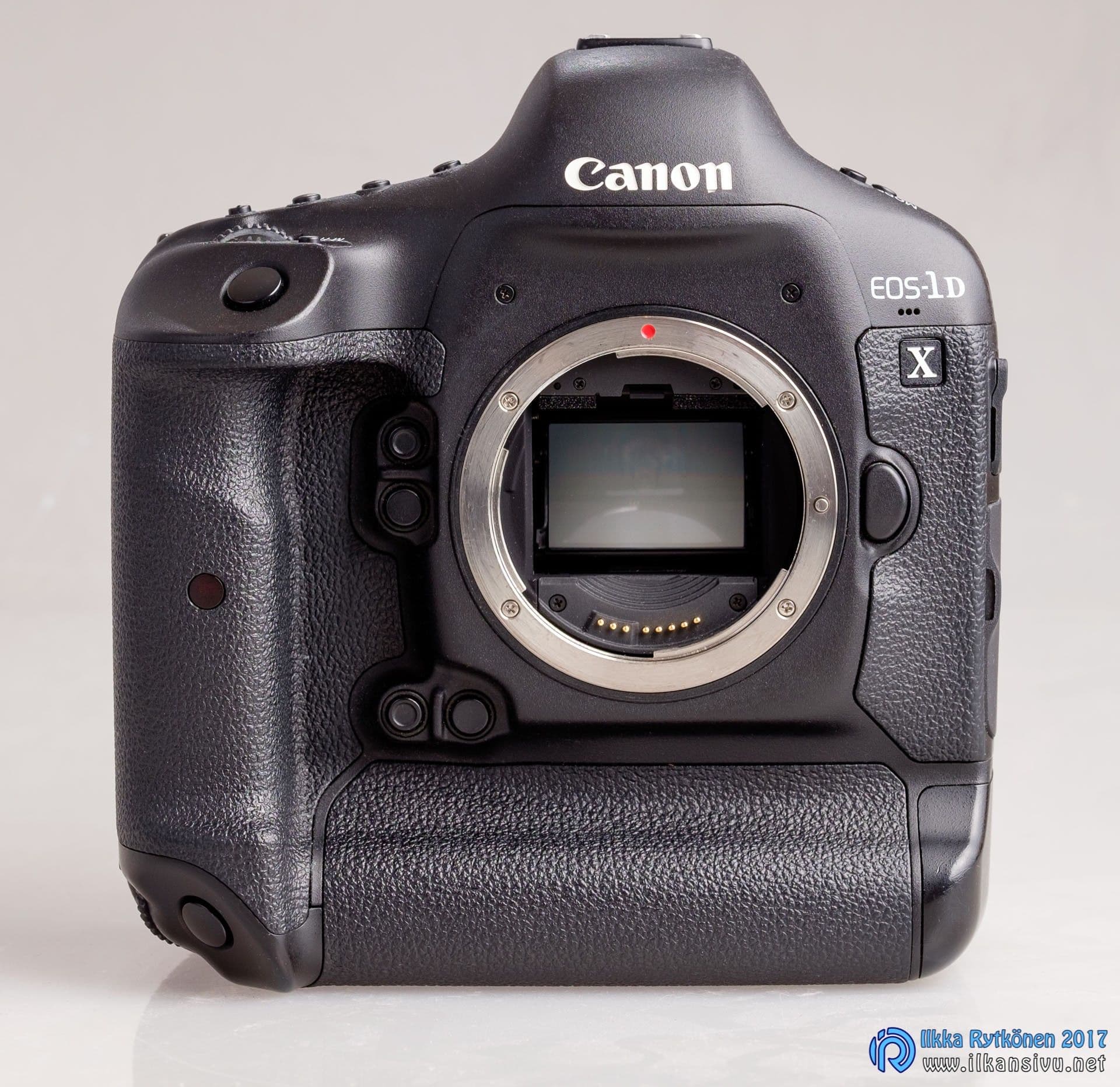
Reliability and speed for extreme use
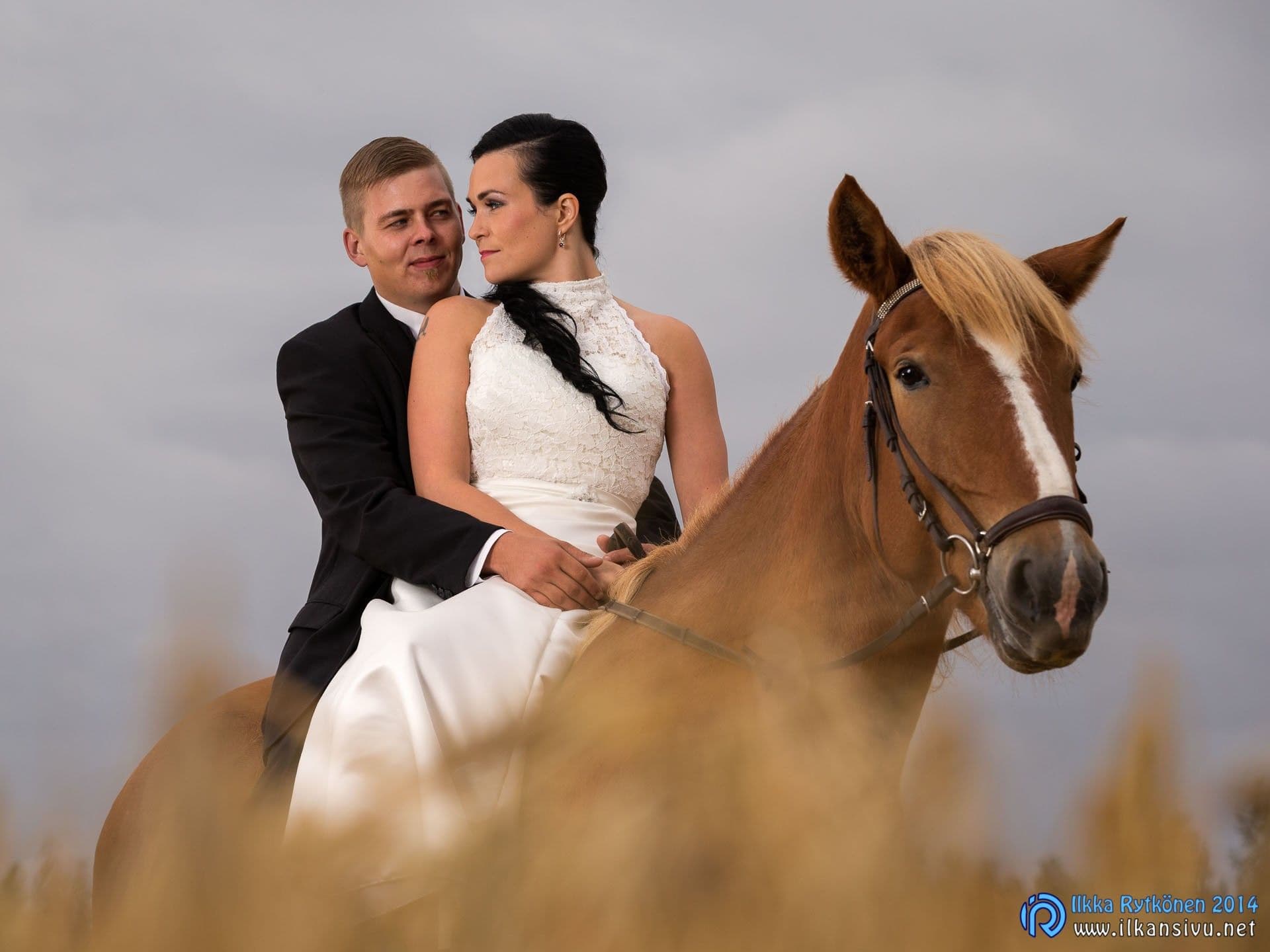
The Canon EOS-1D X is no longer a new camera: the EOS-1D X Mark II has replaced it. I nevertheless have enough experience with the original X, announced in 2011 and sold from 2012, that I decided to write about it.
The Canon EOS-1D X is built for hard professional use, emphasising reliability and speed. Its size and weight mean it does not suit every photographer or need. If you must photograph in extreme conditions, or mainly shoot fast-moving sport and wildlife, this may be your camera.
Canon previously had two flagship lines in the 1 series. One had a full-frame sensor with a fairly high pixel count but was slow. Its sibling, with a smaller APS-H sensor, was fast but had fewer pixels. The X stands for crossover: this model combined the two, at least to some extent. The APS-H sensor was abandoned for a full-frame sensor, while speed was raised to meet action photographers’ needs. At launch, its 18-megapixel sensor did not match the pixel counts of Canon’s highest-resolution models. With such high speed, a megapixel monster probably would not have been feasible.
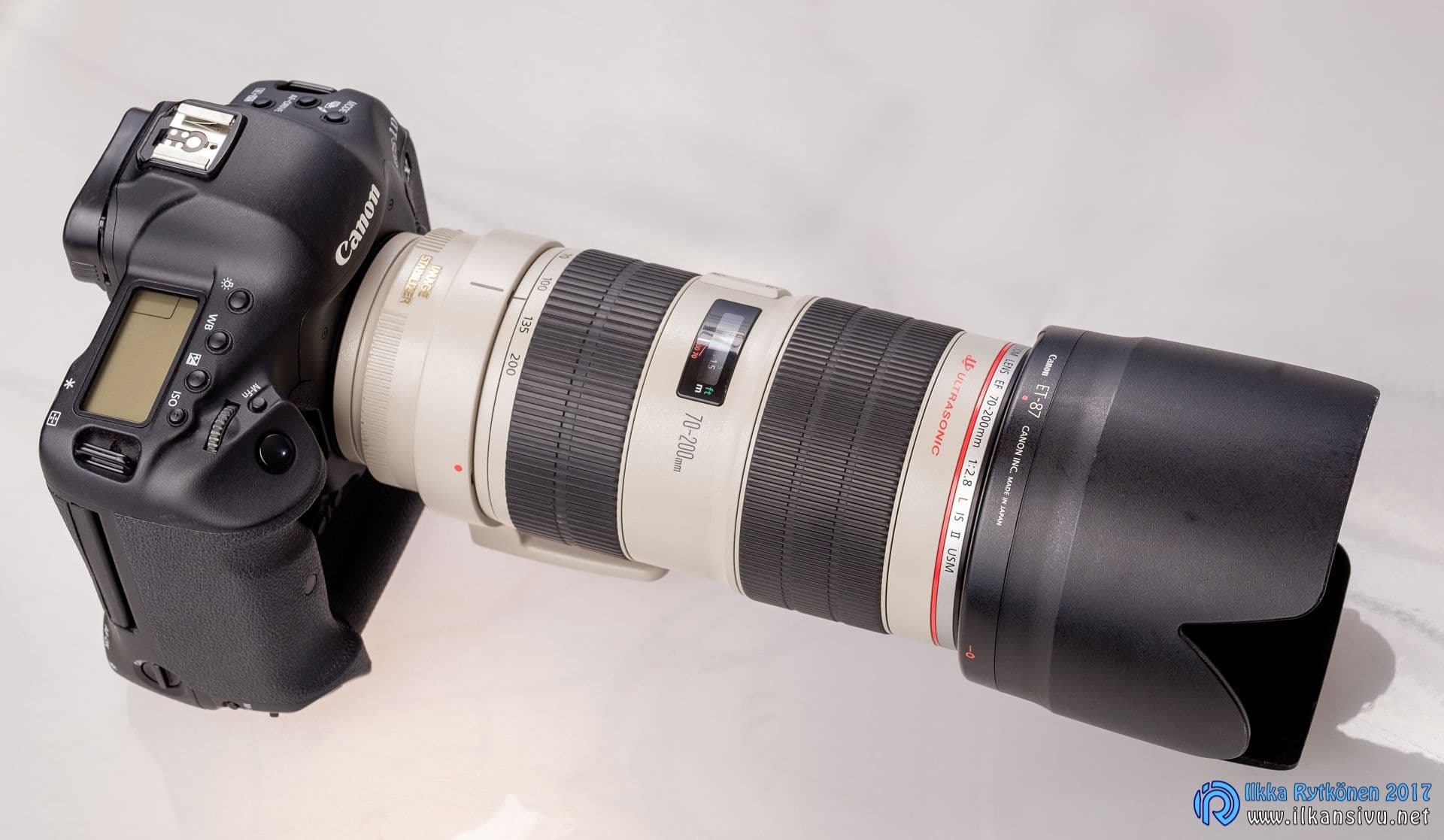
Handling is nevertheless excellent and only improves as lenses become larger.
An Ethernet port was new to this body, as on the Nikon D4 introduced around the same time. These cameras tend to go on sale ahead of the Olympics, as they did then. At the London Olympics, all kinds of radio-controlled remote cameras were banned as far as I know, creating a need for Ethernet. It allowed photographers to continue using remote cameras at the venues. Ethernet can also transfer photographs to a computer or ftp server.
Features
- Full-frame CMOS sensor, 36 x 24 mm
- 18 megapixels
- ISO 100 – 51200
- Shutter speeds 30 s - 1/8000 s
- 12 frames per second with continuous autofocus
- 61 autofocus points, including 41 cross-type and 5 dual cross-type points
- 1/250 s flash synchronisation
- 100 % viewfinder, 0,76x magnification
- Ethernet connection
- 2 CompactFlash memory card slots
- Weather sealing
- Shutter life of 400 000 photographs
- Weight 1340 g
More detailed information can be found on Canon’s website.
An excellent first impression
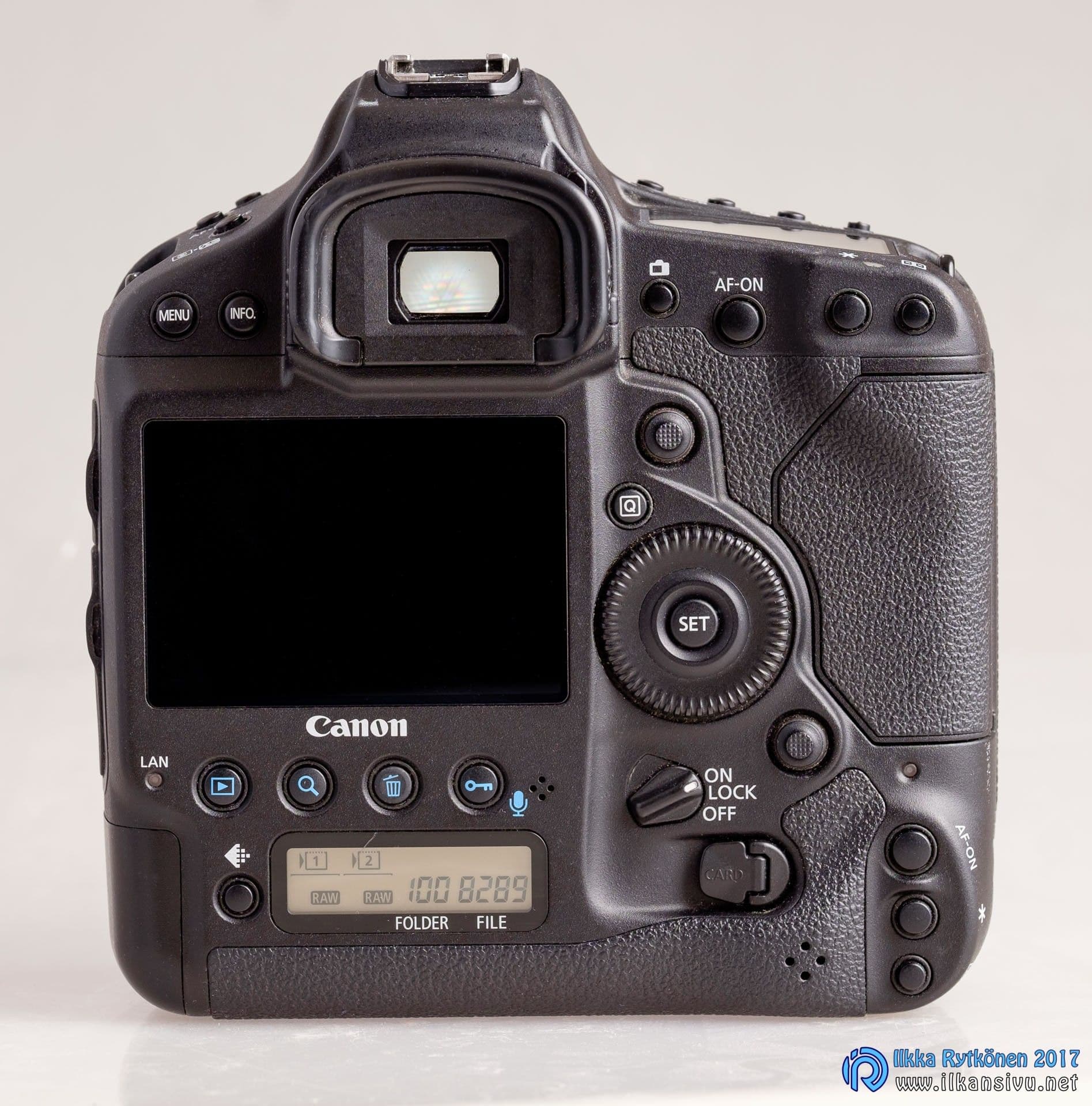
The camera sits beautifully in a fairly large hand, with a secure grip. The “integral battery grip” provides a good hold in both landscape and portrait orientation. The body is heavy (1340 g), which may feel uncomfortable to someone used to lighter equipment. Handling is nevertheless excellent and only improves as lenses become larger. The most important controls are duplicated for portrait use: the shutter button, front dial, joystick and several other buttons. The portrait-grip controls can be switched off when not needed. I sometimes took accidental photographs with the powered-up camera hanging from my shoulder. The grip is not perfectly symmetrical between portrait and landscape orientation, but it is close enough. The joystick is one of the most important controls, but using it effectively requires changing a custom setting. By default, the AF selection button must be pressed before moving the autofocus point, which is frustrating. After changing the setting, thankfully, the point moves immediately with the joystick. This should be the default, but it is not on any Canon. Every Canon fitted with a joystick does have the setting.
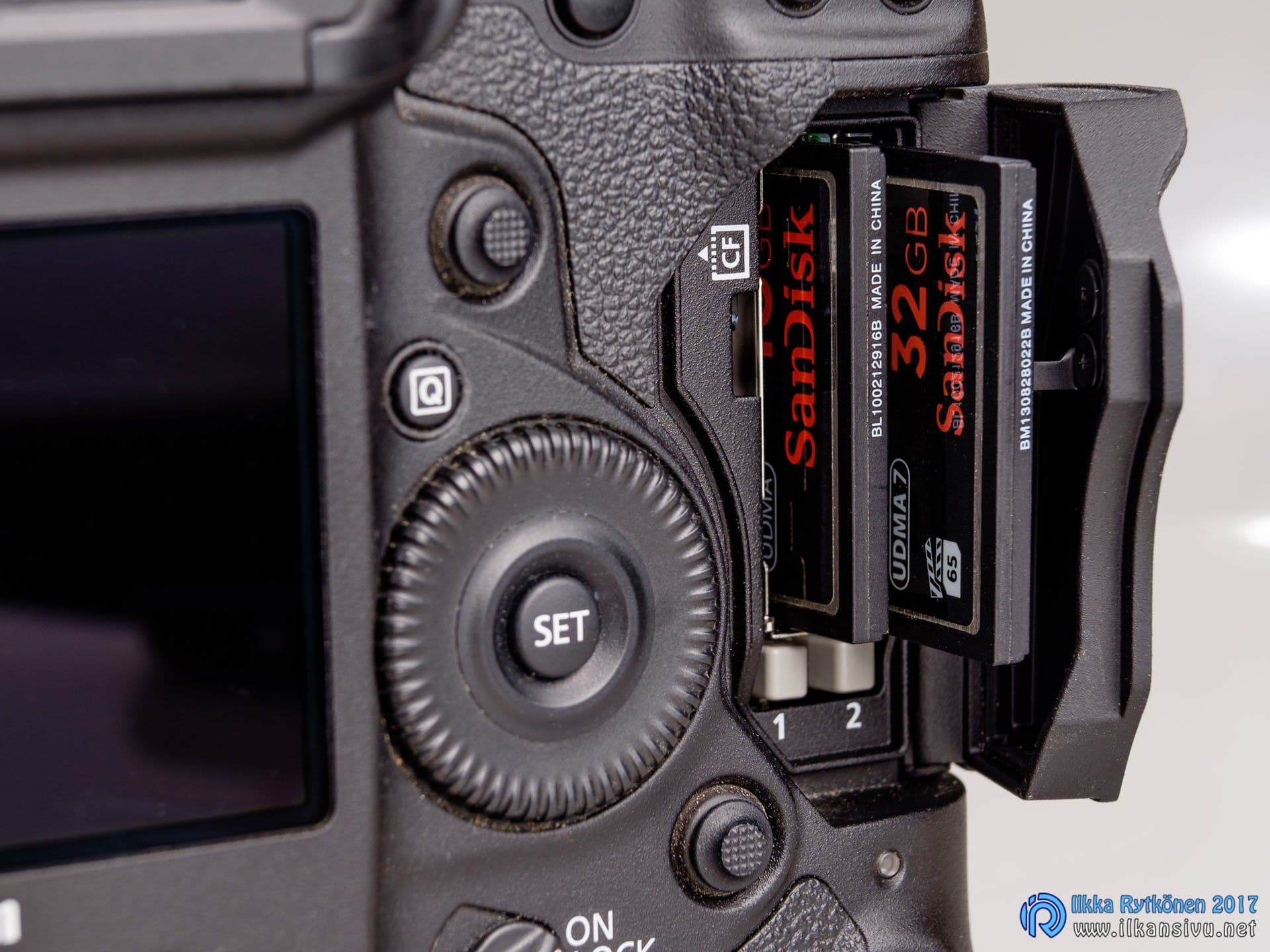
The previous use of two different card types has been abandoned: both slots now take CompactFlash. Younger photographers may never have seen CF cards, but I bought my first SDHC cards only a few years ago. CF cards were once clearly faster than their SD counterparts, but the differences have now levelled out. It therefore does not inherently matter which card type the camera uses. Not all cameras can take advantage of every card’s speed, though.
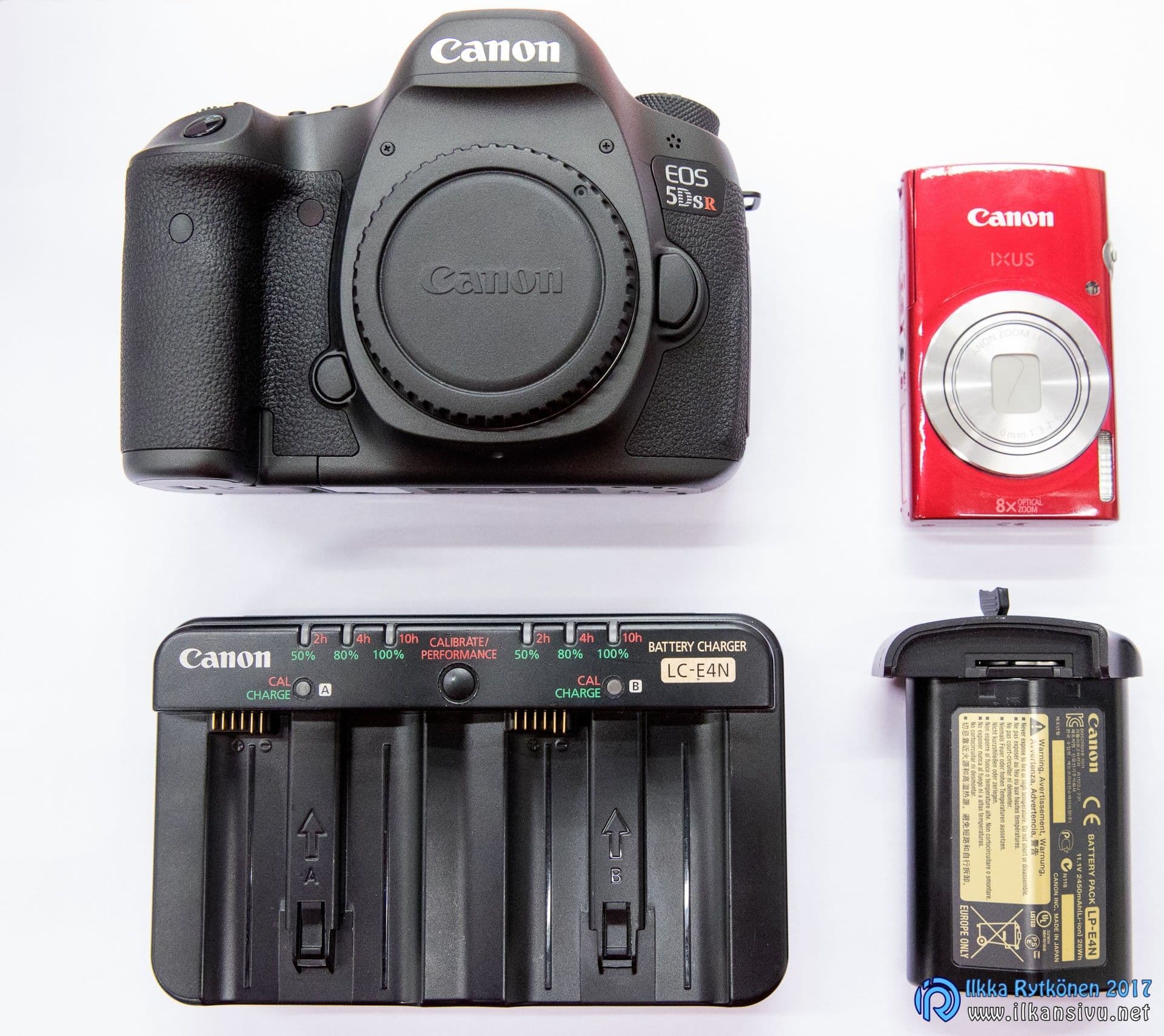
The battery is large, roughly the size of an Ixus.
For Canon users, most buttons and controls are in familiar positions. There is little reason to change a working system. Canon’s 1 series lacks the mode dial familiar from smaller models: exposure mode is selected with the mode button and a control dial. P, Tv, Av, M and bulb are available, with cat, dog and fully automatic modes conspicuously absent. That is a good thing, since this camera’s audience does not miss them. If even these modes feel unnecessary, the settings can be used to leave only full manual mode available.
Extremely quick and effortless: the menu redesign is a success.
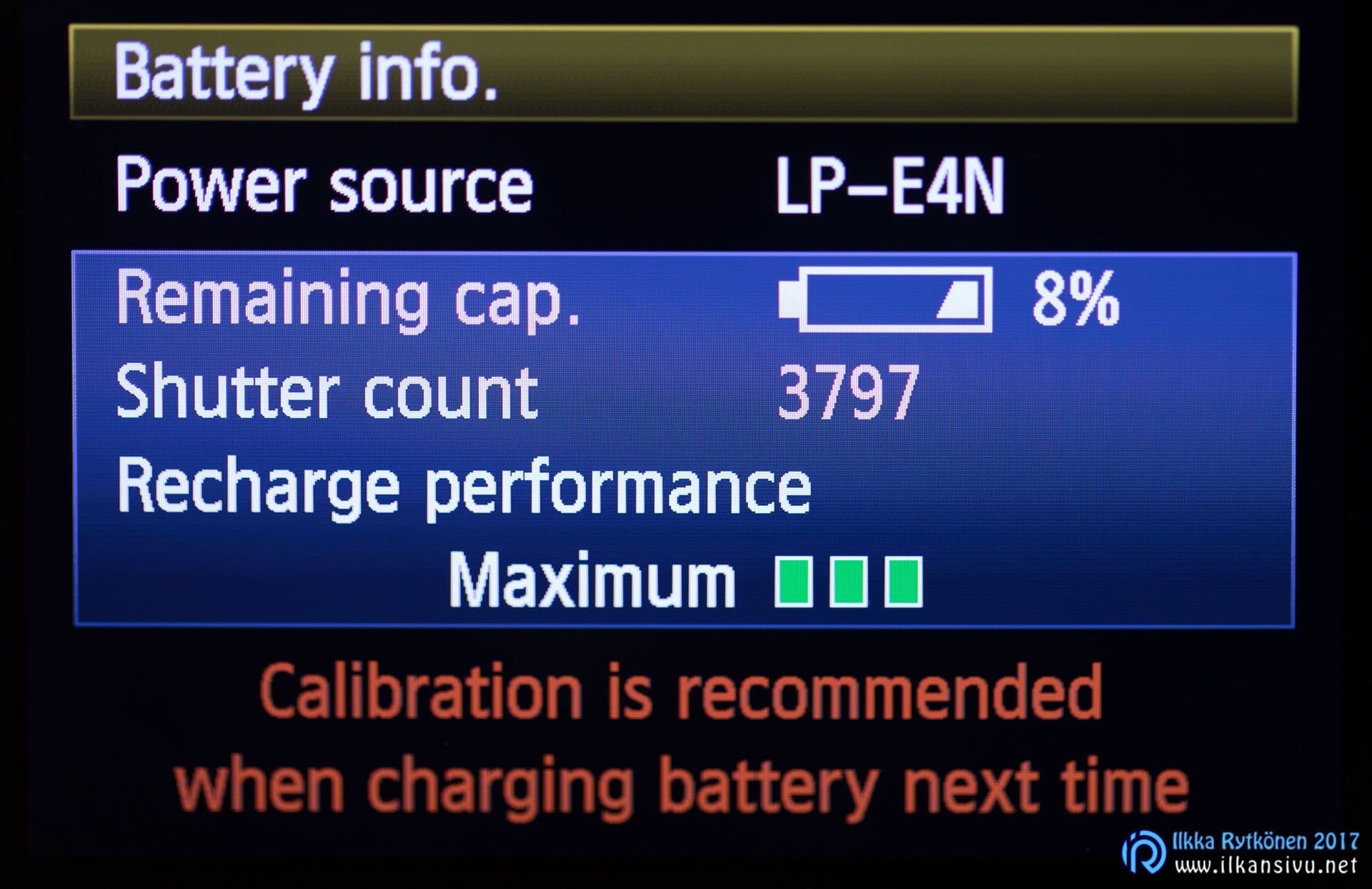
The battery is large, roughly the size of an Ixus, and easily powers long shooting sessions. A large battery also means a large charger. The charger, about the size of a Canon 5D body, takes 2 batteries at once, an undeniable advantage for heavy users. For example, when using large super-telephotos with stabilisation on much of the time, one battery may not last a full day. The third stabiliser mode on newer super-telephotos helps deliver thousands of photographs from a charge. The top LCD panel shows battery level on a four-step scale, while the menus give a percentage. They also show general battery condition and the number of shutter releases since the last charge. Alongside the newer LP-E4N battery, the camera supports the older LP-E4.
Canon still supplied a mains power adapter with the 1D Mark III, allowing the camera to run directly from mains power. Since the 1D Mark IV, it has been an optional paid accessory, which is a pity. A mains adapter lets you use the camera without worrying about power running out. Although the battery covers most needs, mains operation is sometimes useful. If you regularly shoot a great deal in a studio, for example, it removes concerns about charging and remaining battery power.
The menus changed with this camera and the 5D Mark III introduced around the same time. Although there are more settings, the menus are very clear and logical. With a little practice, different functions can be reached quickly. They are divided into differently coloured tabs, each colour indicating a topic. Each topic has subpages marked with dots. There is no need to scroll beyond the screen on an individual page: all its choices remain visible. Pressing Q moves through the main tabs. The front dial moves through subpages, while the rear dial selects entries within a page. The subpage and menu entry selected in each topic are remembered. If you were previously at memory card formatting, a couple of presses of q take you back there even after switching the power off. Extremely quick and effortless: the menu redesign is a success.
Enough adjustments to leave the faint-hearted breathless
The Canon EOS-1D X can be customised very extensively. At a glance, its menus resemble those of the 5D Mark III, but closer inspection reveals considerably more settings. As mentioned earlier, you can leave only the exposure modes you need available. I used a 1D Mark III for years with only Av, M and bulb enabled. Three custom memory positions are also available.
Similarly, you can restrict metering modes separately for automatic and manual exposures, shutter speeds, apertures, burst rate, burst length and autofocus modes. With so many settings, it is useful to save them sometimes. The menus let you save the settings to a memory card and copy them to another identical camera.
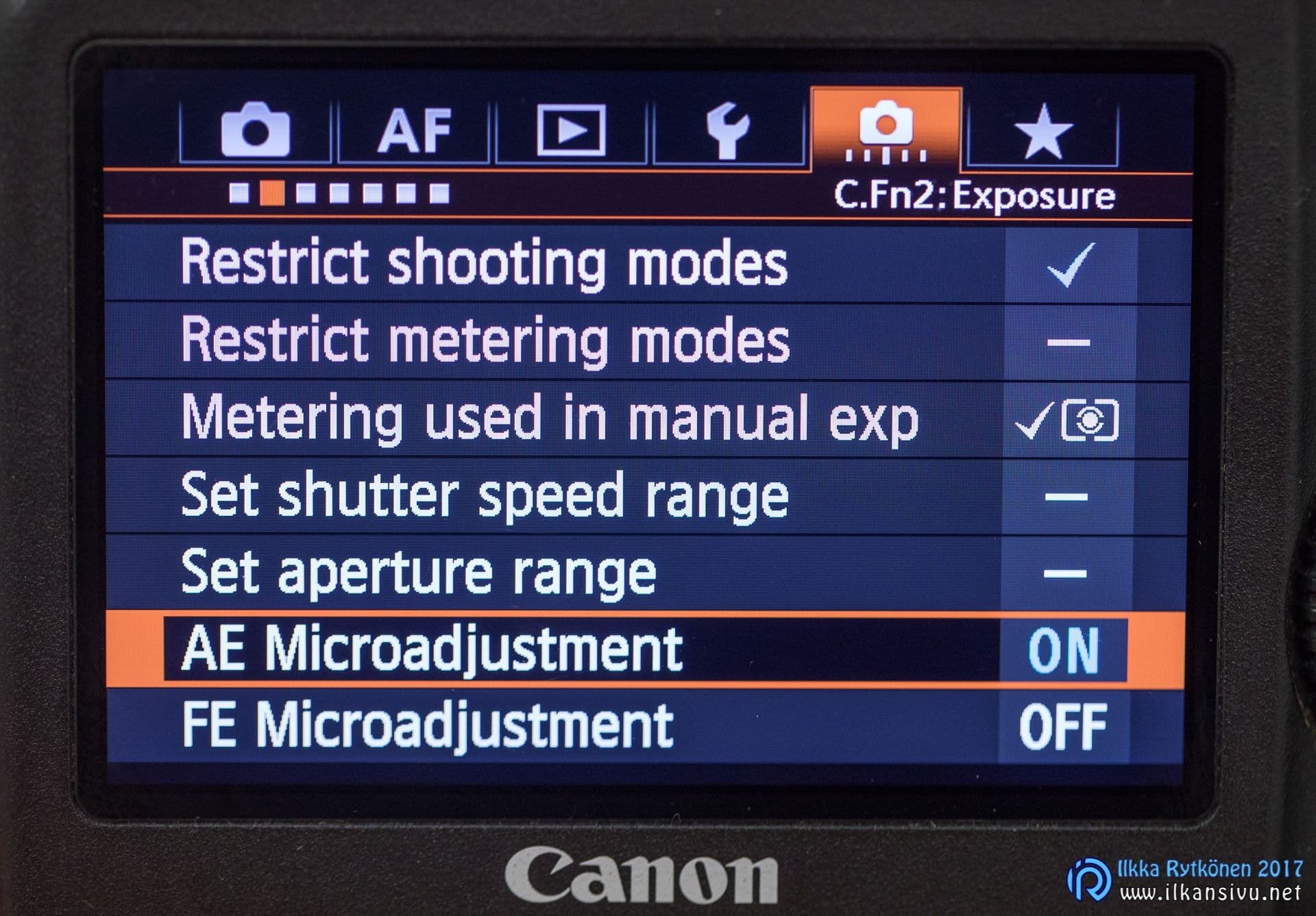
If the camera seems to underexpose or overexpose consistently, custom settings allow a permanent exposure adjustment between -1...+1. It does not appear in the viewfinder or LCD meter, but works quietly in the background. The same correction can also be applied to flash TTL metering.
Auto ISO has been something of an afterthought on Canon cameras, though it should not be. The 1D X already takes focal length into account, but its bias cannot be adjusted for faster or slower shooting. Manual exposure offers a workaround, although exposure compensation then cannot be applied directly and must be reached through the Q menu. You can assign compensation to the set button for this purpose. After changing the setting, hold set and turn the front dial to select the correction. Normally, Canon exposure compensation is adjusted directly with the rear dial. There is also a dedicated compensation button, but it does not work in M mode. Other button functions can also be reassigned. Not all buttons can be customised, and each has a limited set of functions. I have not found the available customisation lacking, however.
In manual mode, the camera’s only exposure meter is in the viewfinder or on the rear screen. Neither LCD panel displays it, which is slightly puzzling. The top panel could technically do so, because it shows exposure compensation. I always turn rear-screen information off, since it shines unpleasantly into my eye when shooting through the viewfinder. Aperture and shutter-speed values are not remembered when switching between manual mode and automatic exposure, which is sometimes irritating. All newer Canons, however, remember the previous settings for each shooting mode.
A firmware update gave the camera some new tricks at one point. One allows manual exposure to remain locked even when the aperture changes. Depending on the setting, the camera adjusts either sensitivity or shutter speed when the aperture changes. Exposure therefore stays the same with a variable-aperture lens or when adding a teleconverter.

The camera also has many other settings I am not even aware of. It is worth reading the manual. Nobody is likely to need every feature, but among them may be exactly the one you need.
The camera shows its strengths in practice
Features alone do not make a camera: the whole is the sum of its parts. There is no perfect camera and probably never will be. Some cameras are simply very good for particular kinds of photography, while another suits something else better.
At a quieter pace
Sometimes you have to photograph with gloves on, at least at Finland’s latitude. It is then useful if the camera can be operated with gloves. With the 1D X, thin gloves work reasonably comfortably, but mittens make accidental presses more likely. Night photographers need extra light to read the button markings. In reality, you learn their positions until muscle memory finds the right controls. For that reason, I do not consider the lack of illuminated buttons a very serious omission. It would sometimes be pleasant, though, and undeniably useful for an occasional photographer.
It is worth restricting the selectable points to cross-type points in the menu.

The top and rear LCD panels are backlit, so settings can be adjusted through them in darkness without an external light. Focusing in darkness still requires some light. Autofocus works in fairly low light, down to the limits of handheld shooting. On a tripod, however, locking focus can sometimes be very challenging, and you must search for enough contrast. You can try focusing on a light source at a suitable distance, or light the subject with a torch while focusing. Manual focus is also possible, but still requires some light to show the lens distance scale. In live view, manual focusing can use the normal or magnified image, but focus peaking and an electronic distance scale are not available.
It is worth restricting the selectable points to cross-type points in the menu. With a weaker point, autofocus hunts in certain situations. That can be awkward in a church, for example, when the couple starts kissing after the wedding ceremony. Otherwise, the decisive moment may pass.
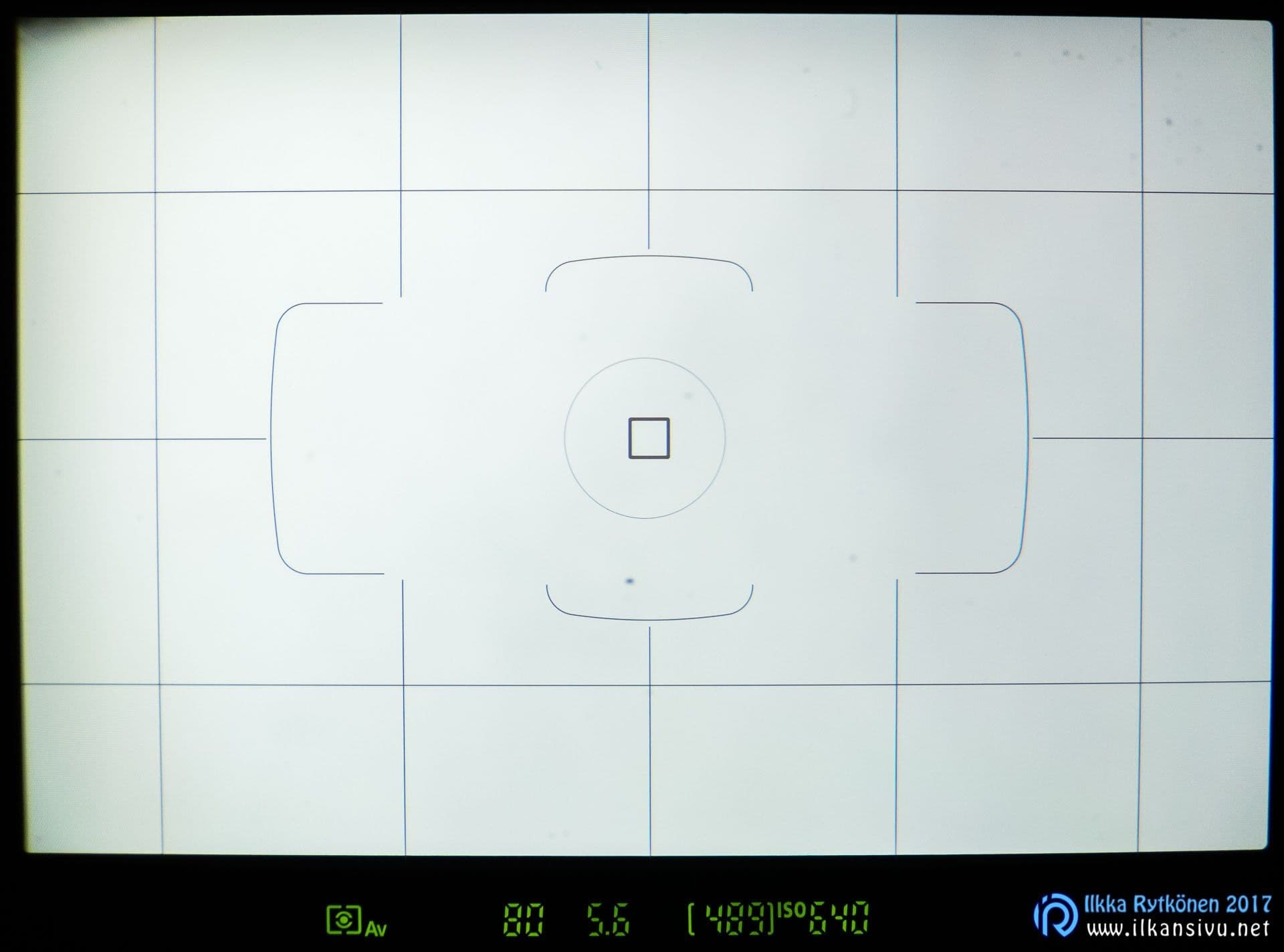
Autofocus-point illumination must be enabled separately to see the active point’s location. It has a drawback, however: the active point flashes red only after focus locks. In dim light, you therefore need to move the autofocus point in some direction to see where it is. This reveals its position, but is a minor omission. My own shooting style involves moving the point frequently, so I remain reasonably aware of its location.
The camera is relatively loud, making it less than ideal for funeral or wedding photography, for example.
The optical viewfinder is large and shows 100 % of the frame. All the information is readable with glasses. The 1D X viewfinder should be among the best in full-frame DSLRs. Brightness is good with fast lenses and, by eye, may be slightly better than on the Nikon D4S. A smaller lens aperture darkens the viewfinder image, which feels odd after using an electronic viewfinder. The eyepiece has a built-in shutter that can be closed to keep stray light out. Other Canon models lack this, although the 5D series, for example, would benefit from it.
You can also shoot using the rear screen, with contrast-detect autofocus. That is much slower than phase-detect autofocus and unsuitable for moving subjects. With this sort of camera, though, few people are likely to aim at a moving target with their arms outstretched. By default, the rear screen simulates exposure and displays a histogram, but offers no overexposure warning colour. Simulation can be disabled for studio flash photography. Changing a setting allows the depth-of-field preview button to enable exposure simulation.

The camera is relatively loud. These fast professional models almost inevitably become noisy: the mirror mechanism is large and must complete its movement 12 times per second. A quiet S mode is also available, but remains loud enough that this is not the best body for funeral or wedding photography, for example. Someone elsewhere commented that Canon was noisier than Nikon, but there is no real difference in loudness compared with the D4S.
Video
Canon EOS-1D X
Opens an embedded YouTube player. YouTube may set cookies.
The camera is relatively loud, making it less than ideal for funeral or wedding photography, for example.
Action-filled photography
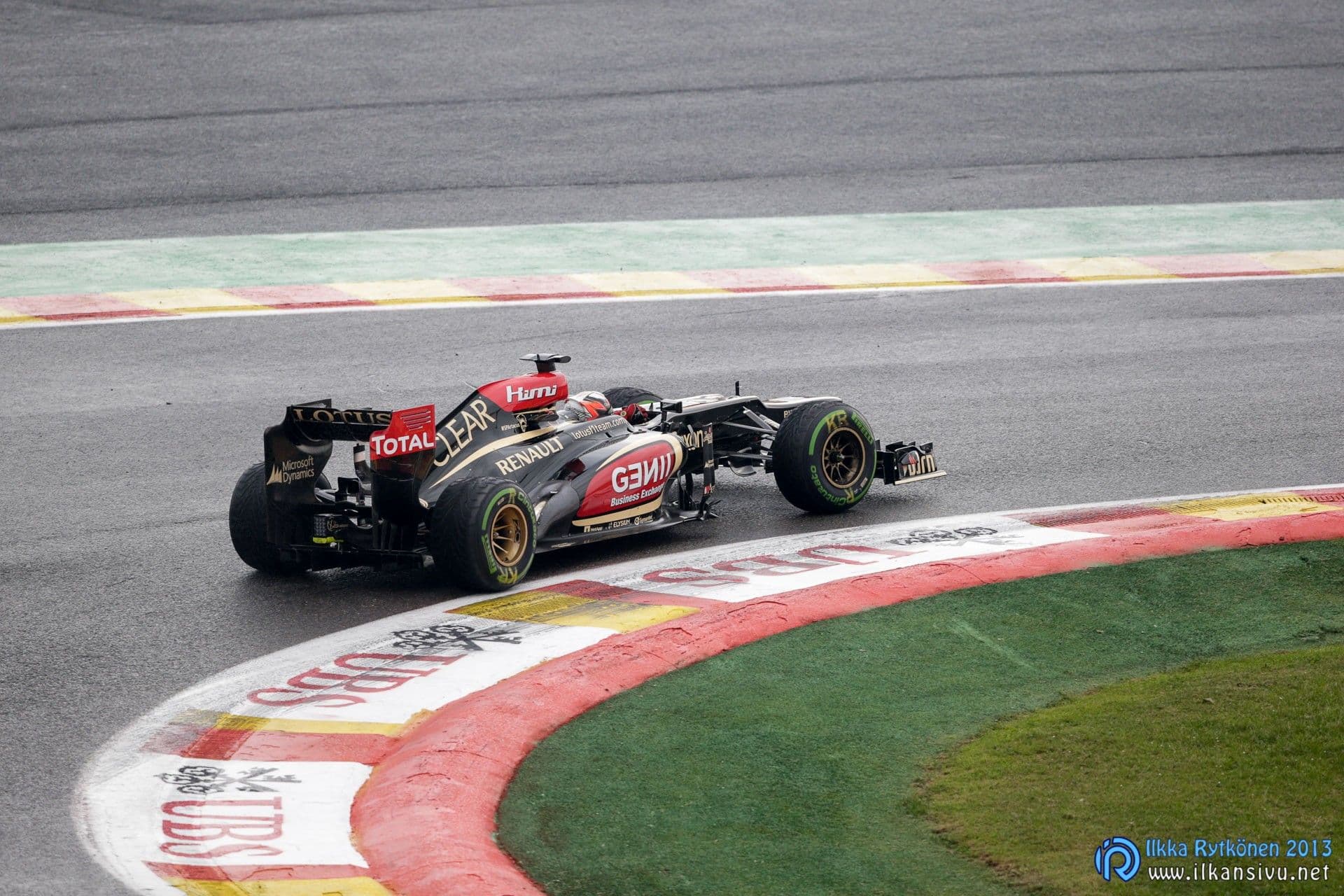
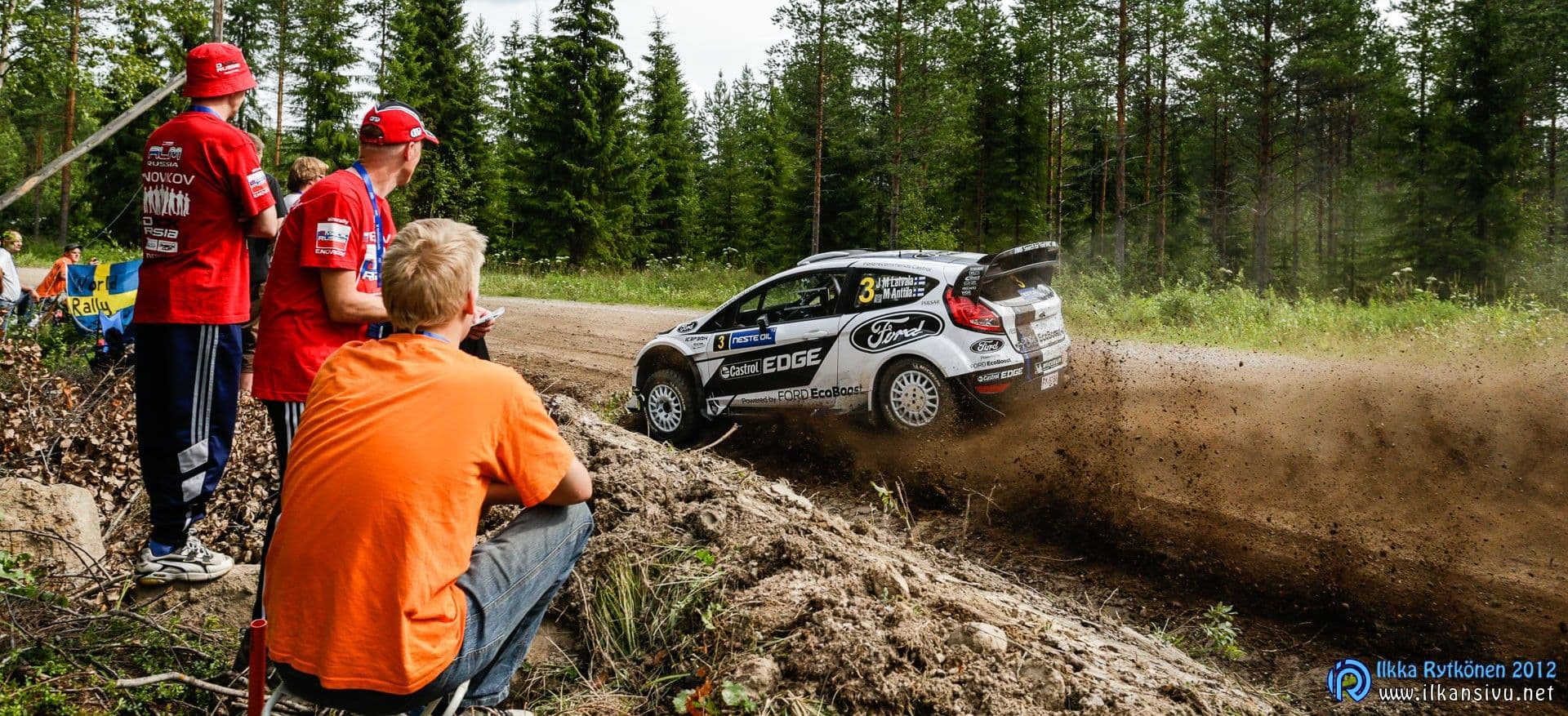
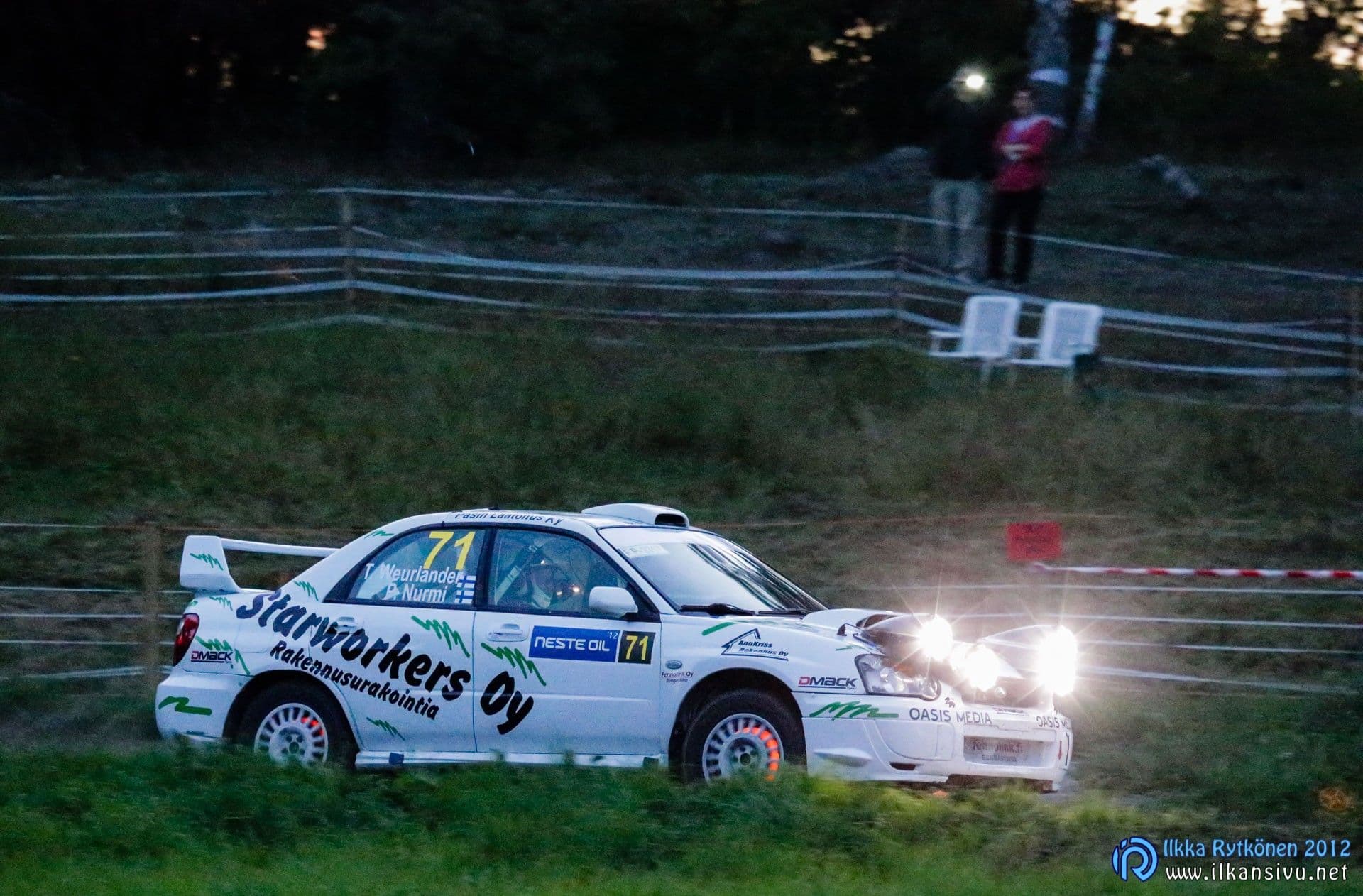
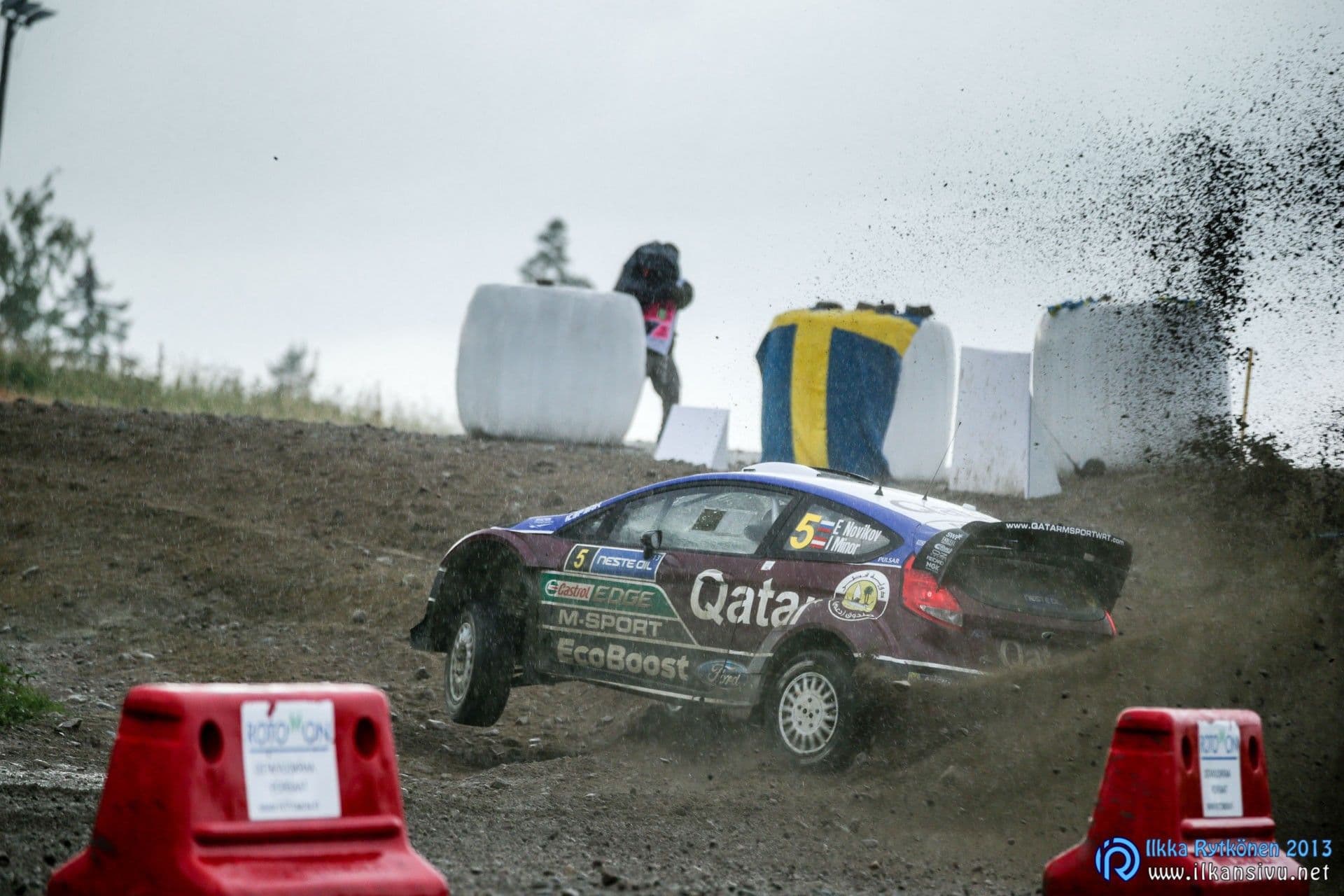
Now we come to the point! Action photography is the real playground of this kind of camera. Watch any major sporting event on television and the photographers shown in the broadcast are almost always using these large Canons or Nikons. Many kinds of wildlife photography belong in the same category. Burst speed is one requirement for fast-moving action. With focus and exposure locked, the burst rate is 14 frames per second, but RAW shooting is unavailable in that mode. Shooting 12 frames per second is possible in RAW with continuous autofocus. That pace is normally fast enough to catch the decisive moment. In rally photography, for example, it is impossible to take just one photograph that happens to coincide with the perfect point in a corner, with the best wheel position or arc of flying gravel. You therefore do not hold the button throughout the subject’s appearance: you take considered bursts at the right moments.
Autofocus settings really can affect the result.

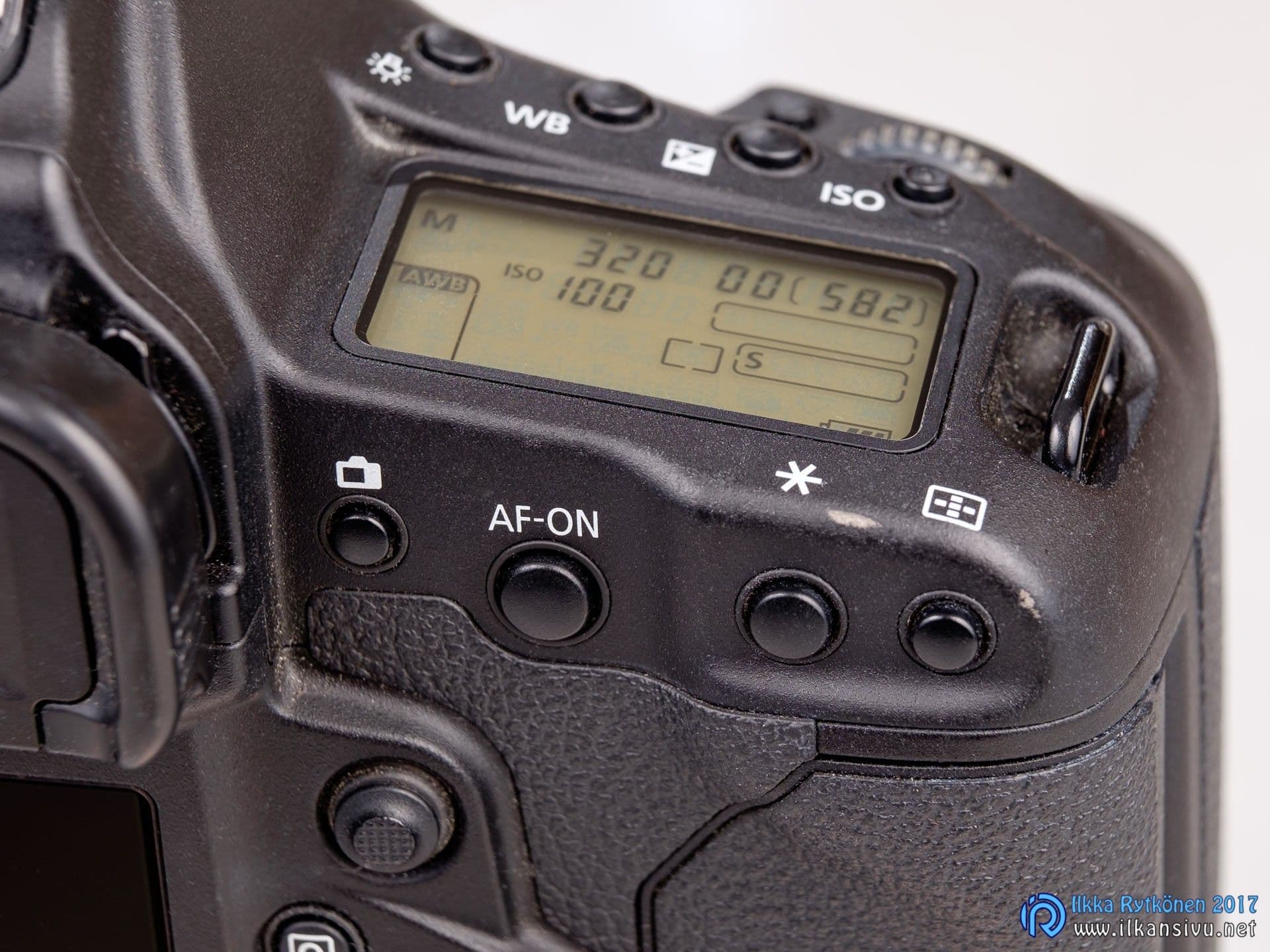
If you have not used back-button focus, it is worth learning. It is particularly helpful for action photography, but works for other kinds too. The shutter button only releases the shutter, or also locks exposure. Focusing is handled by the AF-ON button on the back, which sits comfortably under the thumb. When the subject appears, activate focusing with your thumb and the system starts tracking it. Once a rally car reaches the right position, for example, fire a suitable burst. If it drives through a sequence of corners, keep focusing active with your thumb to track it, but take bursts only when needed. This saves memory card space and, above all, speeds up post-processing because the highlights do not have to be found among so many photographs.
Now we come to the point! Action photography is the real playground of this kind of camera.
Continuous autofocus has enough parameters that Canon has produced a guide to the system. It can of course be used without the guide. The camera offers six presets for different situations, all customisable to your needs and subjects. The first is a general-purpose mode suitable as a starting point. If there are more focusing errors than you want, it may be worth trying another preset or fine-tuning the current one. The menus also give short explanations of the autofocus options, helping you understand the system.
If you have not used back-button focus, it is worth learning.
Canon has been criticised for autofocus and its complexity, but I find the system logical. Autofocus settings really can affect the result. Shooting situations vary, and the camera cannot always know the photographer’s intentions. Exposure is the same: automation is useful, but sometimes the photographer must decide what is wanted.
How fast is focusing, then? Extremely fast. I find it hard to imagine a situation in which I would need it to be faster.
Focusing can use a single point, a small group, a larger zone or all points. Each seems useful according to the situation, and selection is quick. Separate settings can also be used for portrait and landscape photographs. The autofocus points could cover a wider area, though: they are concentrated around the centre of the sensor. This is common to all full-frame DSLRs.
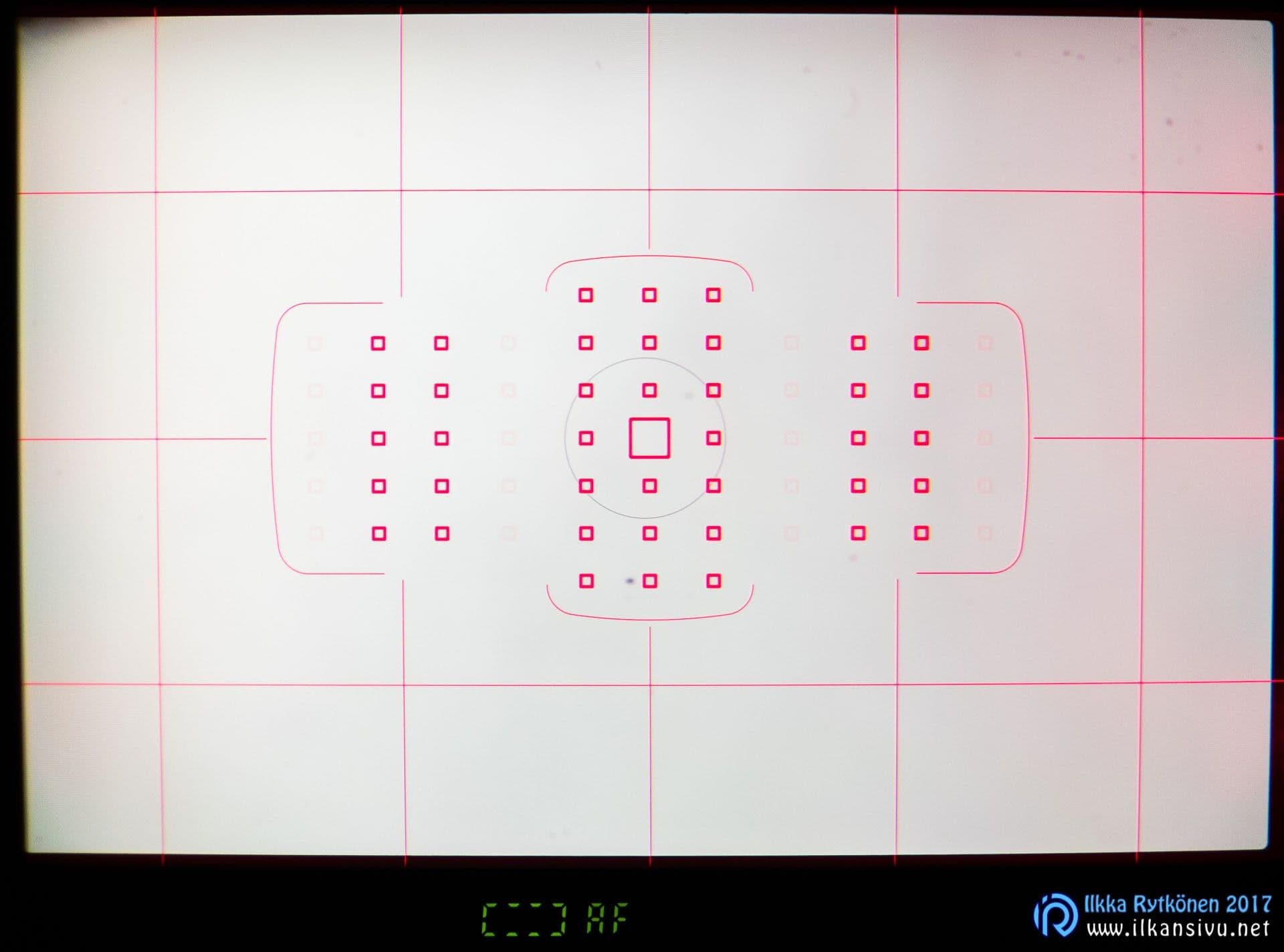
How fast is focusing, then? Extremely fast. I find it hard to imagine a situation in which I would need it to be faster. Focus is usually in the right place as soon as the camera reaches my eye. Speed is sufficient even for demanding use. In rally photography, a car has sometimes surprised me, but that has not mattered: the 1D X’s autofocus has caught up immediately.
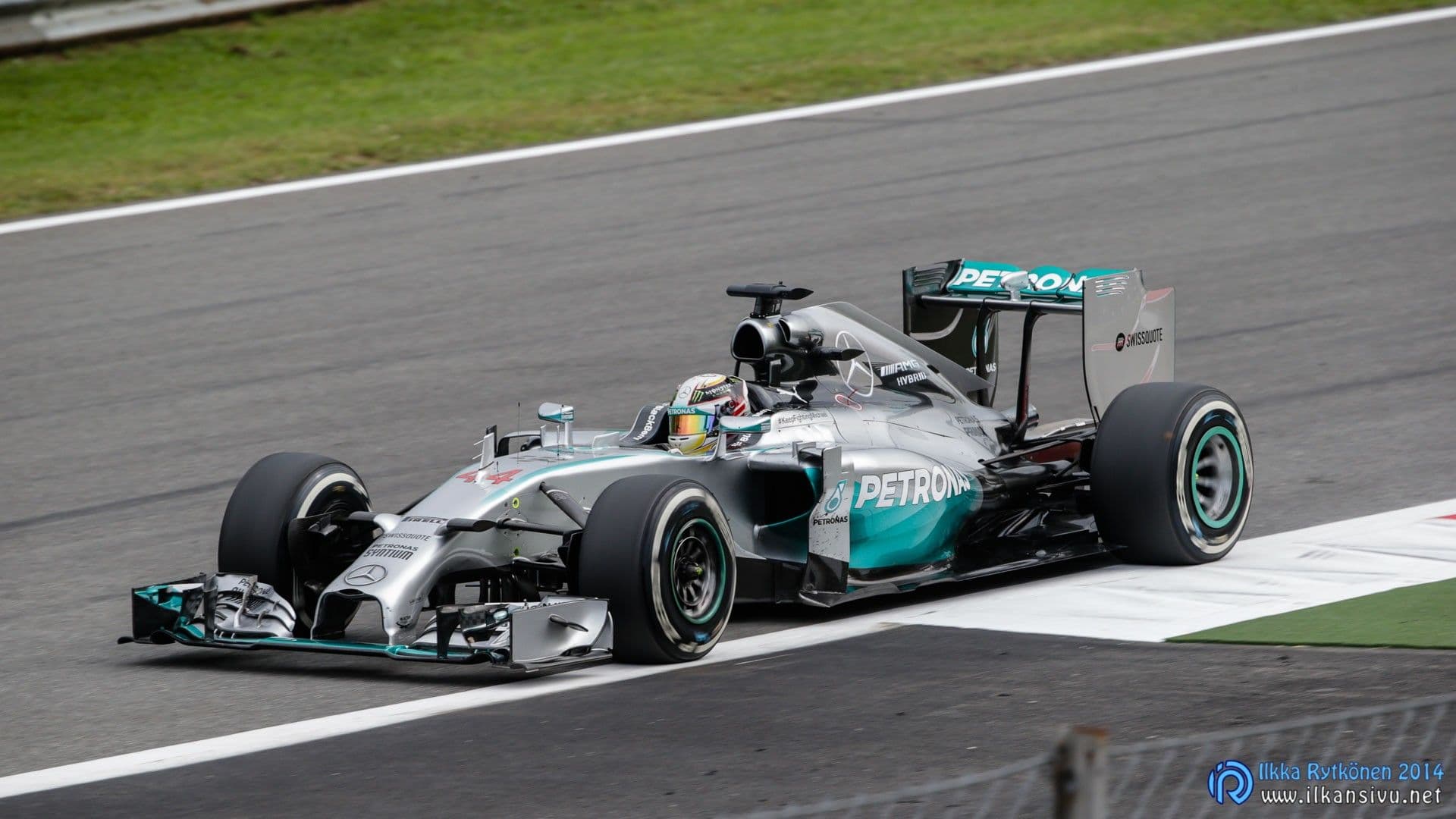
As maximum aperture gets smaller, focusing naturally slows a little. Teleconverters also cost some autofocus points. At aperture 8, only the centre point remains, but autofocus is still fast enough for a Formula car approaching the camera at 300 km/h, at least at a focal length of 1000 mm.
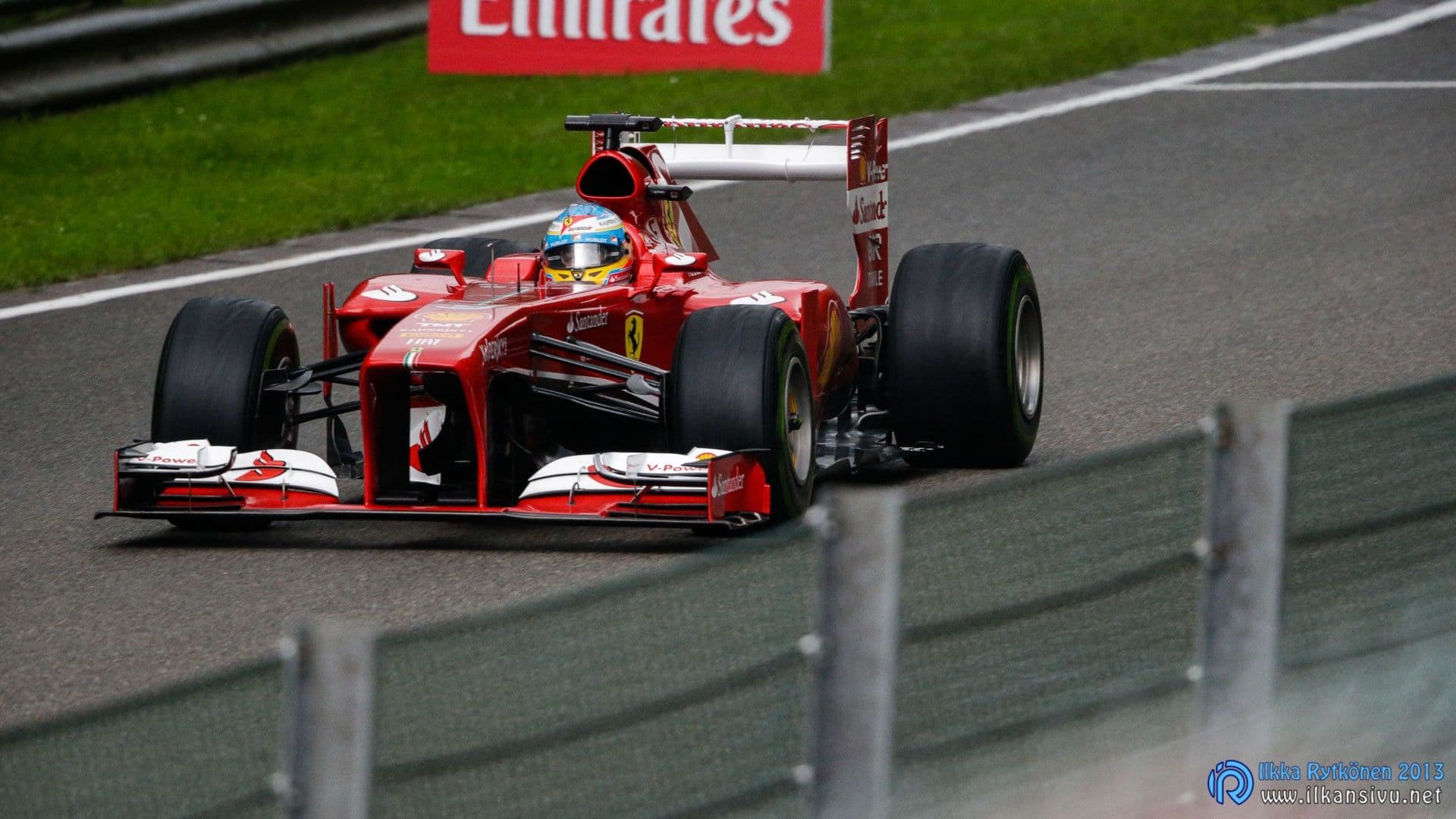
The camera responds beautifully: after pressing a button or turning a dial, there is no waiting. For action photography, I have had to use jpg, so exposure must be right. That sometimes creates challenges in rally photography, for example, because differently coloured cars need different exposures. Pale cars easily lose highlights, while blue Subarus tolerate much more light. Once a car appears, there is still time to adjust aperture or shutter speed a step in either direction before releasing the shutter.
The effect of memory card speed
Memory card speed is often emphasised, particularly for video. My experience is that faster cards are mainly needed for still photography. For video, it is enough for the card to accept a steady stream of data without letting the camera buffer fill. I did not otherwise test the 1D X’s video features, beyond finding that even my slowest card, the SanDisk Extreme III 30 MB/s 8 GB, was fast enough for All-Intra video. One more video-related point: the rear control dial is also touch-sensitive. Exposure parameters can therefore be adjusted silently during video recording. Otherwise, the clicking of the dials might end up on the soundtrack.
For still photography, card speed matters, at least when shooting RAW bursts. It has a surprisingly small effect on burst length: the larger difference is in the time taken to clear the buffer. With a fast card, the camera is ready for another full-length burst much sooner.
For JPG photographs, a slower card is adequate. In practice, the camera writes photographs immediately to the card, so shooting can continue until the card fills or the battery runs out. At least that is what I think, but I did not dare try it. It is worth switching the camera off before packing it in a backpack after burst shooting. Otherwise, in a suitable position it could start firing continuously inside the bag, unnecessarily wearing the shutter. Its stated life is 400 000 photographs, so that limit will not be reached immediately.
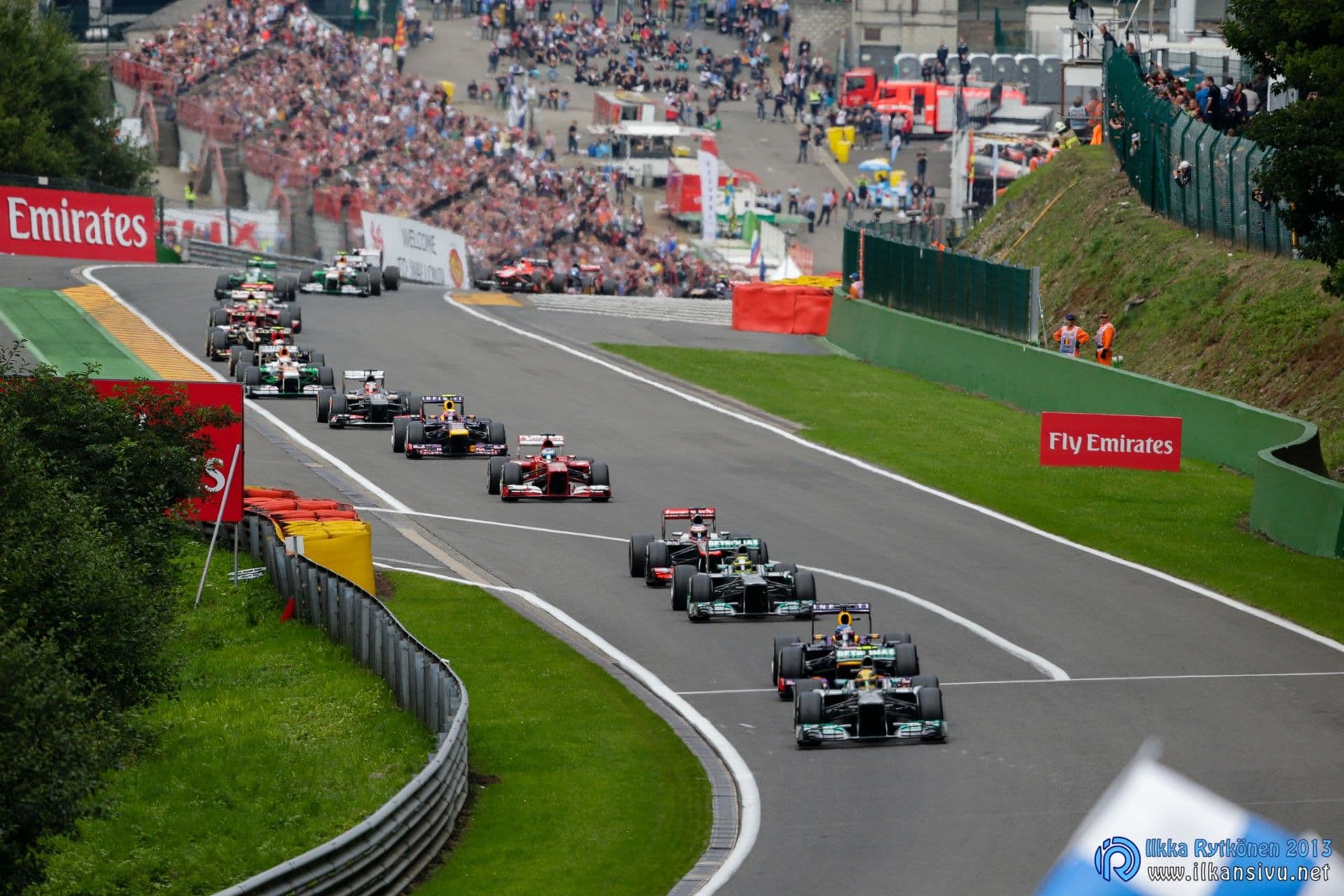
Shooting RAW and jpg simultaneously fills the buffer extremely quickly, making it unsuitable for action photographers. It may work for other uses when some photographs must be sent immediately from an assignment without further adjustment.
Even when shooting RAW, it is worth changing certain settings that affect only jpg photographs.
| RAW to one card | Burst duration / s | Buffer write time / s | Photographs recorded to the card |
|---|---|---|---|
| SanDisk Extreme Pro 160 MB/s UDMA 7 32 GB | 4,8 | 7,3 | 56 |
| SanDisk Extreme Pro 90 MB/s UDMA 6 16 GB | 4,1 | 12 | 49 |
| SanDisk Extreme 60 MB/s UDMA 16 GB | 4,1 | 13,2 | 47 |
| SanDisk Extreme IV 45 MB/s UDMA 8 GB | 3,9 | 17,9 | 45 |
| SanDisk Extreme III 30 MB/s 8 GB | 3,7 | 23,6 | 43 |
| Transcend 400X UDMA 16 GB | 3,7 | 16,2 | 42 |
| Kingston ultimate 600X CF/16GB-U3 16 GB | 4,3 | 10,7 | 51 |
| JPG to one card | Burst duration / s | Buffer write time / s | Photographs recorded to the card |
|---|---|---|---|
| SanDisk Extreme III 30 MB/s 8 GB | 60 * | 0 | 725 |
* The burst was stopped after a minute

| Backup recording | Burst duration / s | Buffer write time / s | Photographs recorded to the card |
|---|---|---|---|
| SanDisk Extreme Pro 160 MB/s UDMA 7 16 GB + 32 GB (RAW) | 4,1 | 10,5 | 47 |
| SanDisk Extreme Pro 160 MB/s UDMA 7 16 GB + 32 GB (JPG) | 120 * | 0 | 1448 |
| SanDisk Extreme Pro 160 MB/s UDMA 7 16 GB + 32 GB (RAW + JPG) | 1,7 | 6 | 21 |
* The burst was stopped after 2 minutes
Image quality
Once back at the computer after an assignment, image quality can be assessed. Canon has often been criticised for limited dynamic range, and the 1D X does fall behind many rivals in this respect. Underexposure should be avoided: shadow tones cannot be recovered very well. At the base sensitivity of ISO 100, there is about two or three stops of latitude. For image quality, a little overexposure is preferable when necessary, because highlight clipping is less troublesome. The clipping boundary stays reasonably clean with perhaps two stops of overexposure, though that depends on the photograph. For high-contrast subjects where a clean, full tonal range is wanted, you must bracket and create an HDR image on the computer.
Canon EOS-1D X dynamic range test
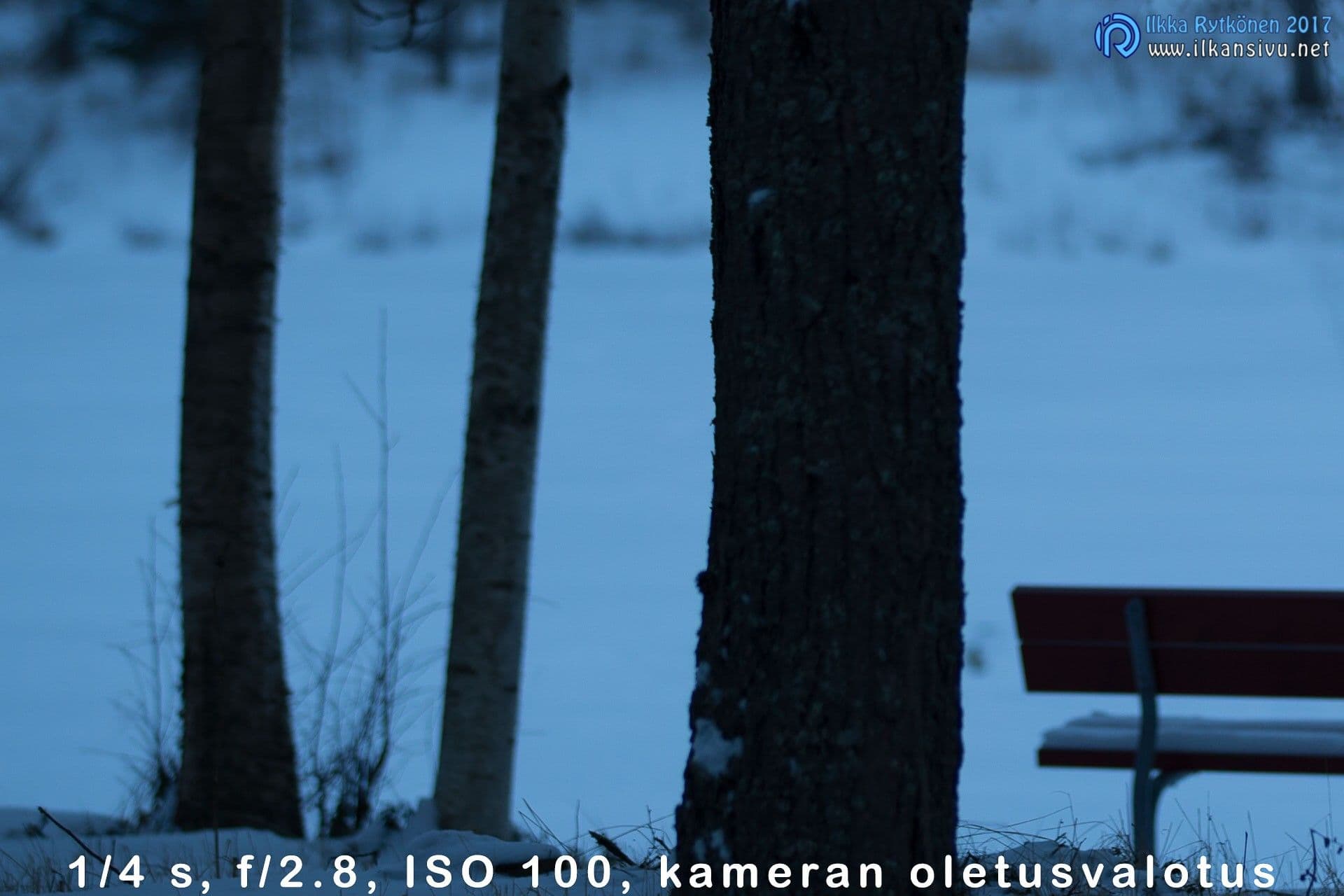
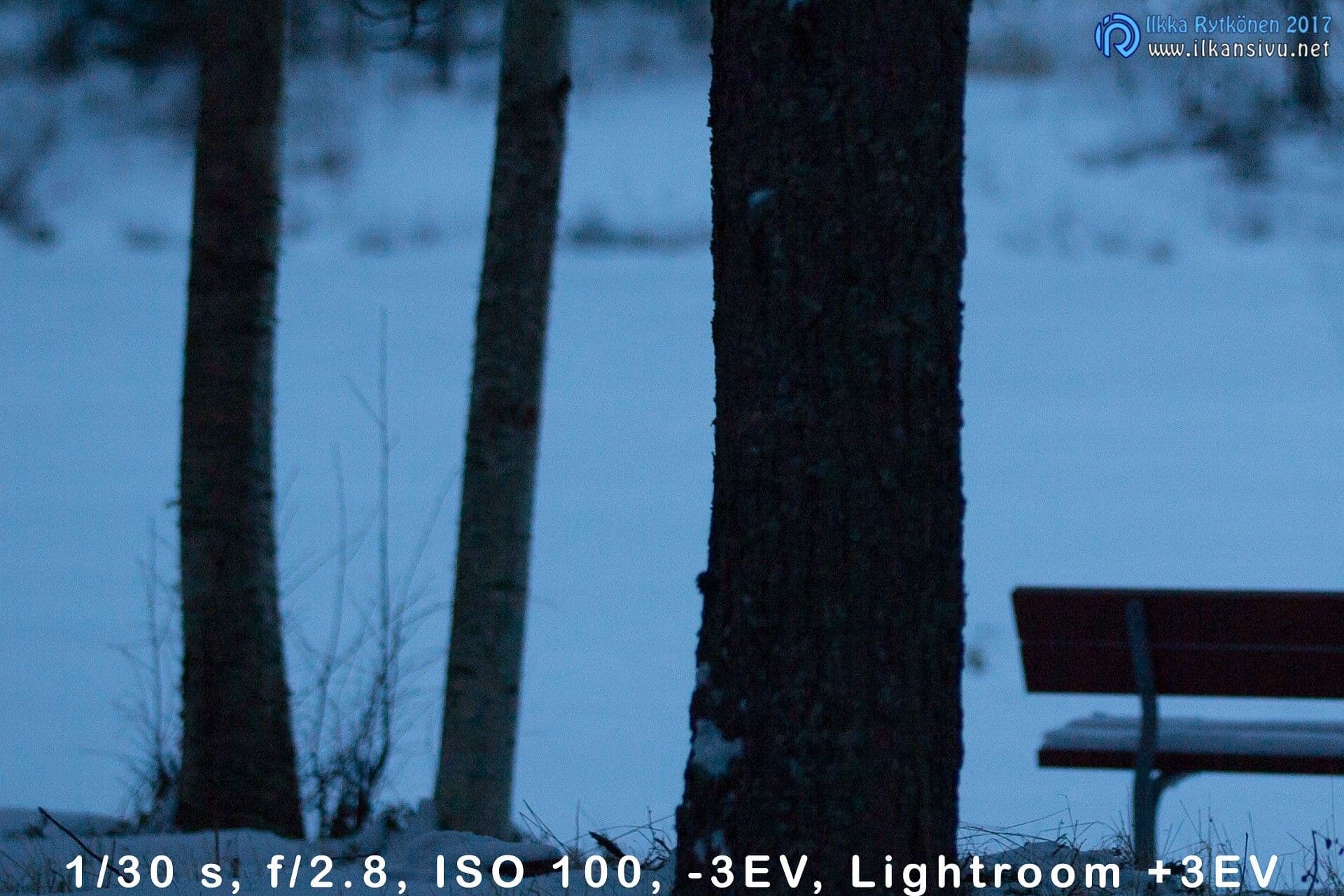
Raising sensitivity does not reduce dynamic range proportionately. Even at ISO 3200, tones can be lifted by almost 2 stops. At higher sensitivities, shadow latitude shrinks significantly, but similar highlight latitude remains up to the highest sensitivity. The 1D X therefore calls for precise exposure and the correct sensitivity. On some newer cameras, image quality is the same from a corrected photograph underexposed by 4 stops at ISO 100 as from a correctly exposed ISO 1600 photograph.
Noise performance allows sensitivity to be raised quite comfortably. At pixel level, ISO 1600 is still very clean, as is ISO 3200. ISO 6400 and even 12800 work with light noise reduction, but 25600 needs stronger adjustment. The maximum, ISO 51200, is best reserved for emergencies. Noise character remains tolerable rather than jumping out distractingly. RAW photographers are well placed to handle it in post-processing. In JPG photographs, the camera’s own noise reduction removes detail aggressively.
Canon has often been criticised for limited dynamic range, and the 1D X does fall behind many rivals in this respect.
Other observations
Even when shooting RAW, it is worth changing certain settings that affect only jpg photographs. When viewing a RAW photograph on the camera screen, you are not seeing the RAW data exactly: you are seeing a jpg stored inside the RAW file, from which the final photograph must be judged. Aggressive settings leave some of the camera’s exposure latitude unused. It is worth choosing the neutral picture style and then reducing its contrast to the minimum. The histogram on the camera screen is then closer to the real one. The jpg preview inside the RAW file is large and good enough to judge whether focus succeeded.
The 1 series offers Canon’s best weather sealing. In my experience, the 5D Mark III does not withstand equally demanding conditions.
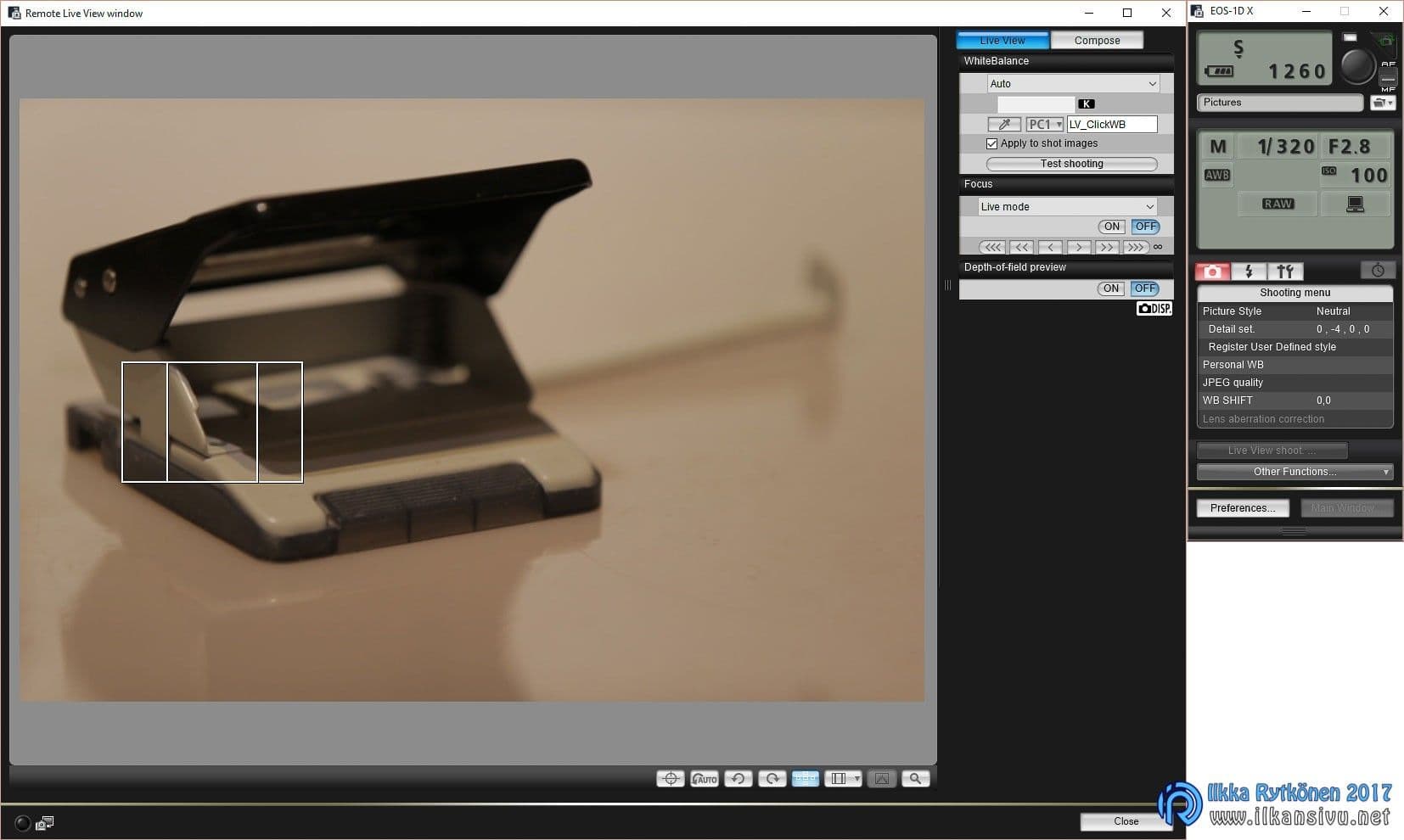
Canon EOS Utility is a handy application for controlling the camera from a computer. My experience is with a USB cable, but apparently the same application also controls it over Ethernet. I intended to test Ethernet control too, but ran out of time. The application provides extensive adjustment and releases the shutter with a mouse click. On the 1 series, exposure mode can also be chosen alongside other exposure parameters. Photographs can be transferred immediately to a chosen computer folder while also remaining on the memory card. Live view shows the image on screen in real time. For some reason, only 1-series Canons previously fired a flash in live view. At least the 5DS R and 5D Mark IV now do so too. Other cameras previously required live view to be disabled if a flash was to fire. The application also adjusts flashes and controls Canon’s wireless system. EOS Utility is certainly worth exploring.
If you travel around the countryside, GPS is a useful camera feature. Afterwards, you need not wonder whether a photograph was taken at Ouninpohja or Urria. Unfortunately, Canon left both GPS and wifi out of its flagship model. Both are available as accessories, and I have used the GP-E2 for geotagging. At a few hundred euros, it is fairly expensive but useful for Canon photographers. Attached to the hot shoe, it writes coordinates directly into the photograph, along with compass direction. It can simultaneously store a log in the GP-E2’s memory, allowing location data to be added to a second camera’s photographs too. Logging also works with the unit in a pocket or backpack. Canon MAP Utility, which writes a GPS log to photographs, slows significantly when there are many photographs. Error messages need regular acknowledgement, but the final result works. Canon MAP Utility writes coordinates equally well to jpg and RAW photographs provided they were taken with a Canon camera. It will not add coordinates to another brand’s photographs, even in jpg format.
Unfortunately, Canon left both GPS and wifi out of its flagship model.
People sometimes ask online about a camera’s shutter count. An exact figure may only be obtainable by having JAS Tekniikka service the camera. I have tried to discover the shutter counts of my own Canons, but no trick worked. The 1D X is the first Canon to show this figure in its menus. It is displayed as <= 43000, meaning, for example, fewer than 43000 photographs. The same menu also has an error log. On this body it contained: "03/08/'12 09:41 Caution 02. A sudden drop in battery performance was detected. If this happens again after battery replacement, contact a service center."
The 1 series offers Canon’s best weather sealing. In my experience, the 5D Mark III does not withstand equally demanding conditions. A photographer I know has made several trips to a humid jungle. The 5D mark III needed servicing several times because of moisture damage on those trips. In the same conditions, the 1D X survived. These are extreme conditions: humidity means even lens changes must be made at a particular time of day. I have also been caught in pouring rain while photographing with the 1D X. Knowing that any moisture damage would be at my own expense, I continued shooting. That was several years ago, and the same body is still fully working.
Summary
The Canon EOS-1D X is a beast of a camera, in a good way. If you shoot in extreme conditions and need very fast autofocus and a serious burst rate, this is your choice. Action photography with it is a pleasure! Reliability is another of its qualities. The 1D X responds extremely quickly to the photographer’s wishes. Its weight, size and price naturally limit its potential audience. For quieter work, other Canons offer better value through a more refined interface, higher resolution, better dynamic range and a quieter shutter.
Good
- Weight and size when using larger lenses
- Speed
- Autofocus
- Reliability
- Handling
- Menus
- Battery life
Bad
- Weight and size for general-purpose use
- Price
- Noisy
- Rather limited dynamic range
- Slightly dated in some respects
- No built-in wifi or GPS